
Rare Disease Social Media Toolkit
This social media toolkit was created to help State Zebra Network members easily share accurate, meaningful, and human-centered rare disease messages across social media. Whether you’re posting once or planning a full campaign, these resources are designed to be flexible, accessible, and ready to use.
What’s Included
This toolkit includes:
Downloadable rare disease awareness graphics in Facebook and Instagram sizes
Platform-specific caption options for Facebook, Instagram, Twitter/X, and LinkedIn
Suggested hashtag sets you can customize for your audience
A simple posting guide to help you share with confidence
All messaging is grounded in rare disease research, policy history, and patient experience.
How to Use This Toolkit
You don’t need to use everything.
Choose the graphics and captions that align with your organization’s voice, audience, and goals. Captions can be posted as-is or lightly edited, and graphics may be shared at any time—during Rare Disease Month or throughout the year.
Instragram Graphics
You have the option to either download the full graphic pack (.zip format) or browse the gallery below to download individual graphics. Each image is available in both Facebook and Instagram sizes, so you can choose what works best for your channels. Click on the thumbnail image to see the full graphic.

Facebook Graphics
You have the option to either download the full graphic pack (.zip format) or browse the gallery below to download individual graphics. Each image is available in both Facebook and Instagram sizes, so you can choose what works best for your channels. Click on the thumbnail image to see the full graphic.

Social Media Copy Options
For each graphic, members can choose from 2–3 message options per platform. Copy is adaptable across Facebook, Instagram, Twitter/X, and LinkedIn. Graphics may be used in either Facebook or Instagram sizes, depending on member preference.
Tone guidance:
- Facebook & Instagram: warm, accessible, community-focused
- Twitter/X: concise, punchy, awareness-driven
- LinkedIn: professional, policy- and impact-oriented
Members may adapt hashtags, tag partners, and personalize posts while keeping core messaging intact.
Suggested Hashtag Sets (Use 3–6 per post)
*(Hashtags are optional and may be customized based on audience or campaign goals.)
Facebook
#RareDisease #RareDiseaseAwareness #PatientVoices #HealthEquity #AdvocacyWorks #StateZebraNetwork
Instagram
#RareDisease #RareDiseaseAwareness #RareButNotAlone #ZebraStrong #PatientAdvocacy #HealthJustice
Twitter/X
#RareDisease #RareDiseaseAwareness #PatientsFirst #PolicyMatters
LinkedIn
#RareDisease #HealthPolicy #PatientCenteredCare #ResearchMatters #Advocacy
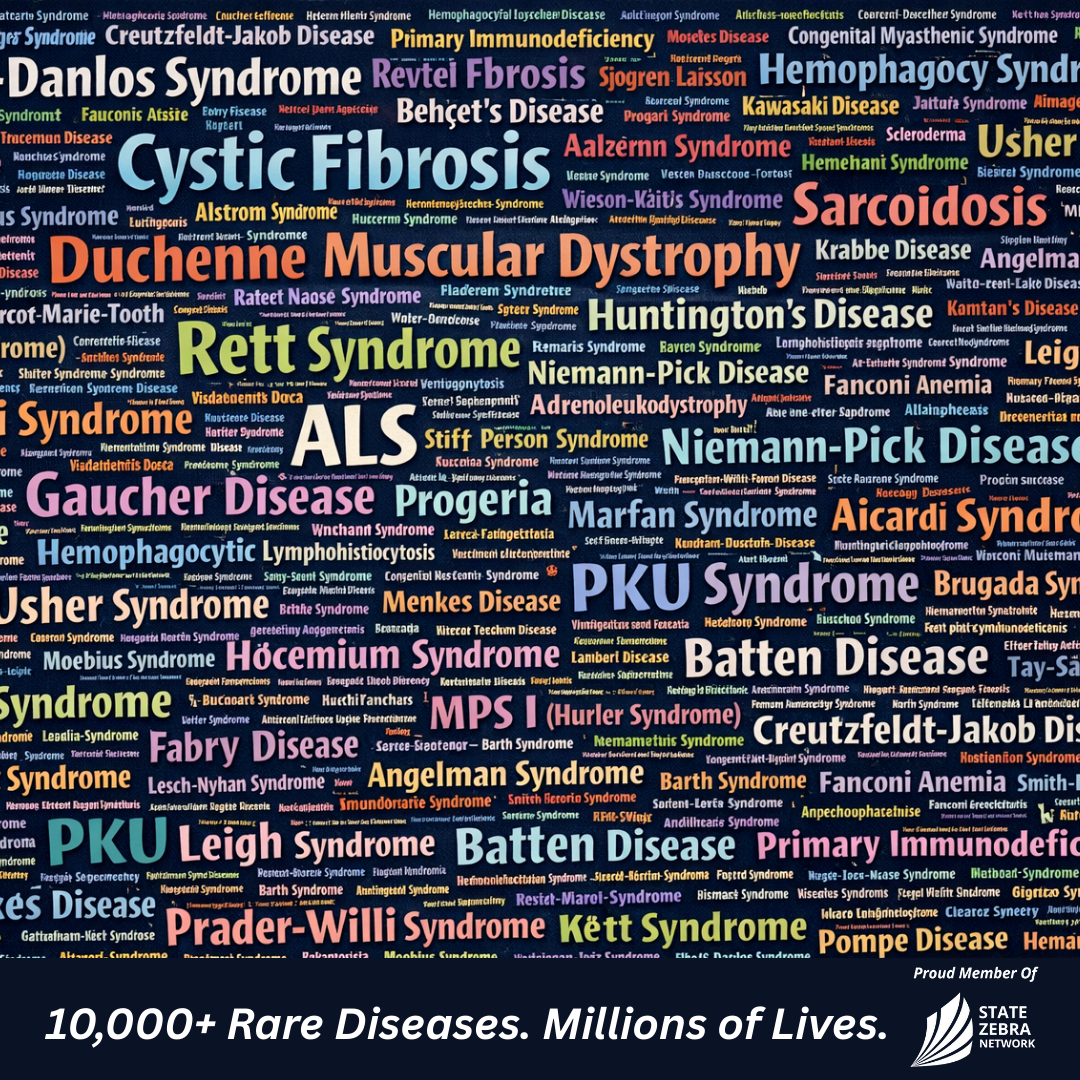
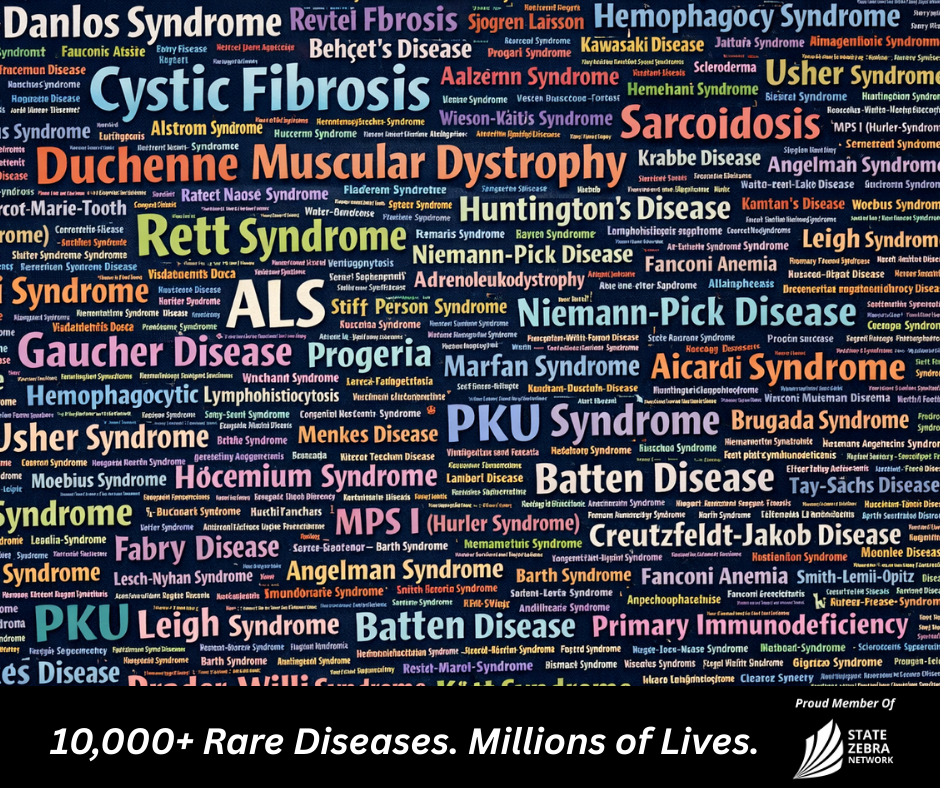
10,000+ Rare Diseases. Millions of Lives.
Facebook / Instagram
- Option 1: Rare diseases are often invisible—but the people living with them are not. More than 10,000 known rare diseases affect millions of lives, with new conditions identified each year. #RareDiseaseAwareness
- Option 2: Rare doesn’t mean few. Millions of individuals and families are impacted by rare diseases—and they deserve answers, care, and hope.
- Option 3: Behind every rare disease statistic is a real person, a family, and a future worth fighting for.
Twitter/X
- Option 1: 10,000+ rare diseases. Millions of lives. Rare is everywhere. #RareDisease
- Option 2: Rare diseases may be uncommon individually, but together they affect millions.
- Option 1: More than 10,000 rare diseases impact millions of individuals worldwide. Addressing rare disease requires coordinated policy, research investment, and patient-centered care.
- Option 2: Rare disease is a public health issue hiding in plain sight—one that affects millions of families across the country.
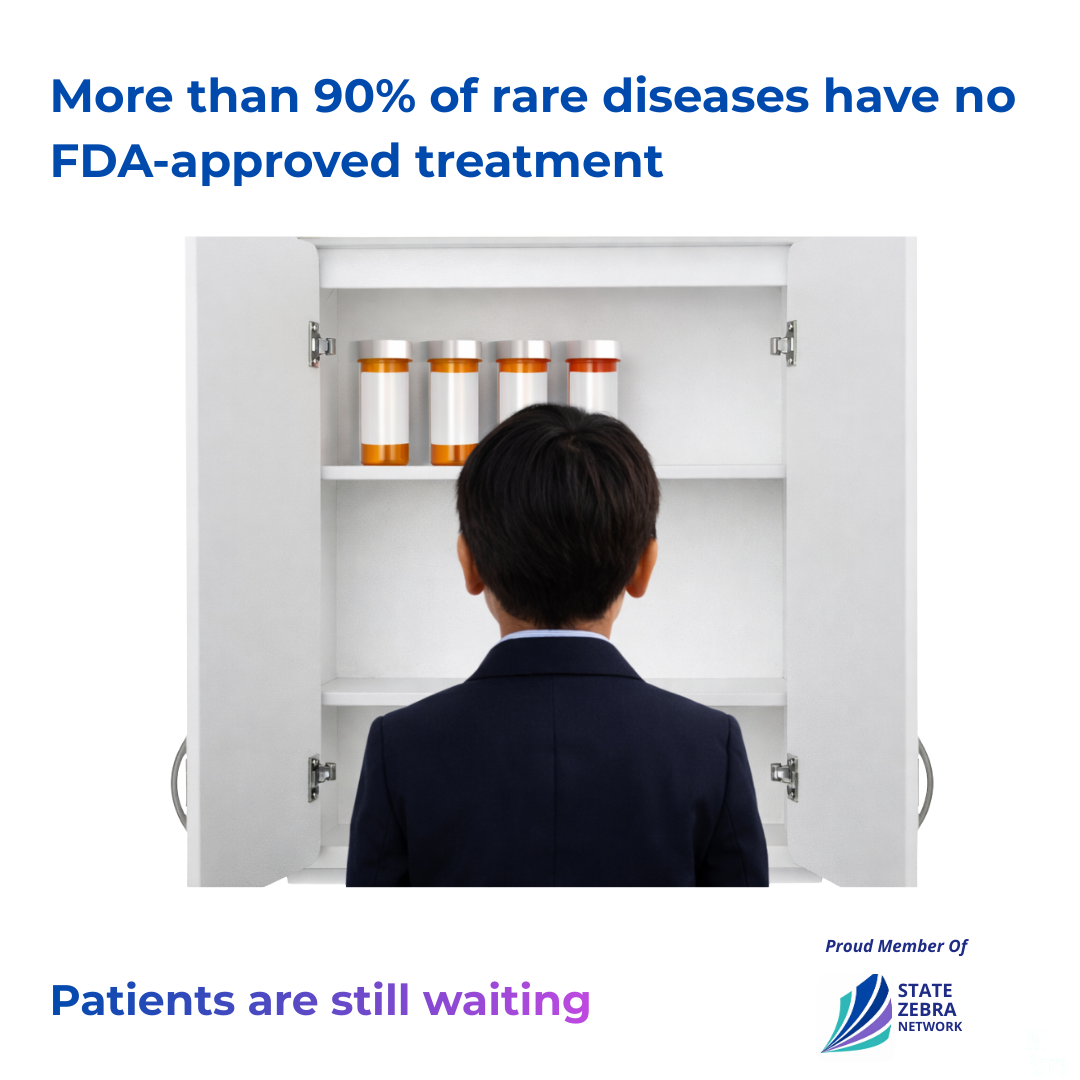
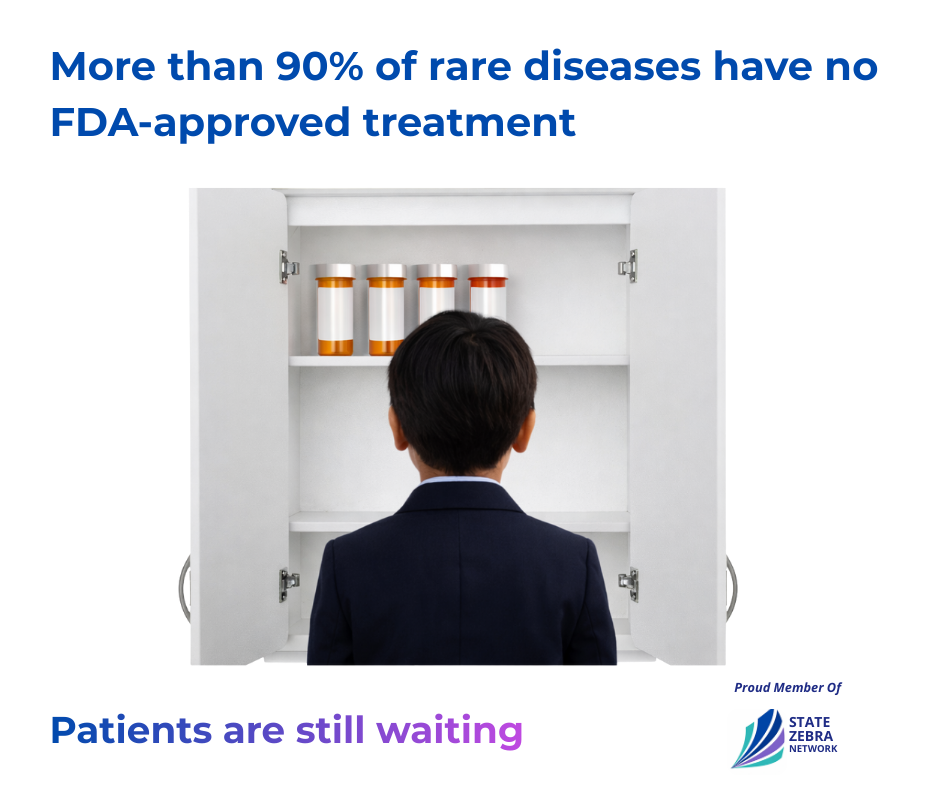
More Than 90% of Rare Diseases Have No FDA-Approved Treatment
Facebook / Instagram
- Option 1: More than 90% of rare diseases still have no FDA-approved treatment. Patients are waiting—and policy and research can help change that.
- Option 2: For too many families, hope is still out of reach. Research and policy can change that.
Twitter/X
- Option 1: 90%+ of rare diseases lack FDA-approved treatments. Patients are still waiting.
- Option 2: Innovation can’t stop until patients have options.
- Option 1: Over 90% of rare diseases have no FDA-approved treatment, highlighting the urgent need for sustained research funding and policy solutions.
- Option 2: The rare disease space underscores why incentives, collaboration, and innovation matter.
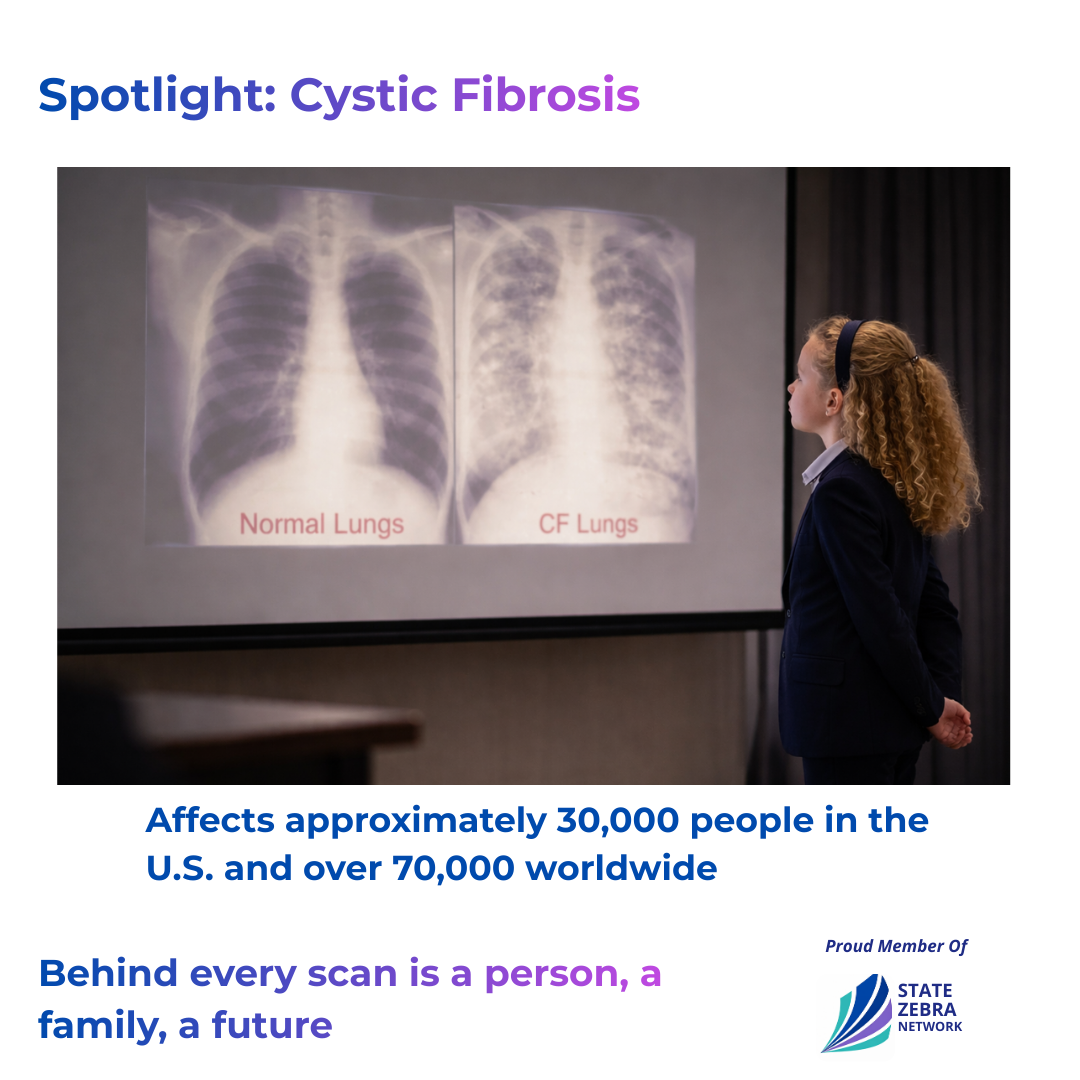
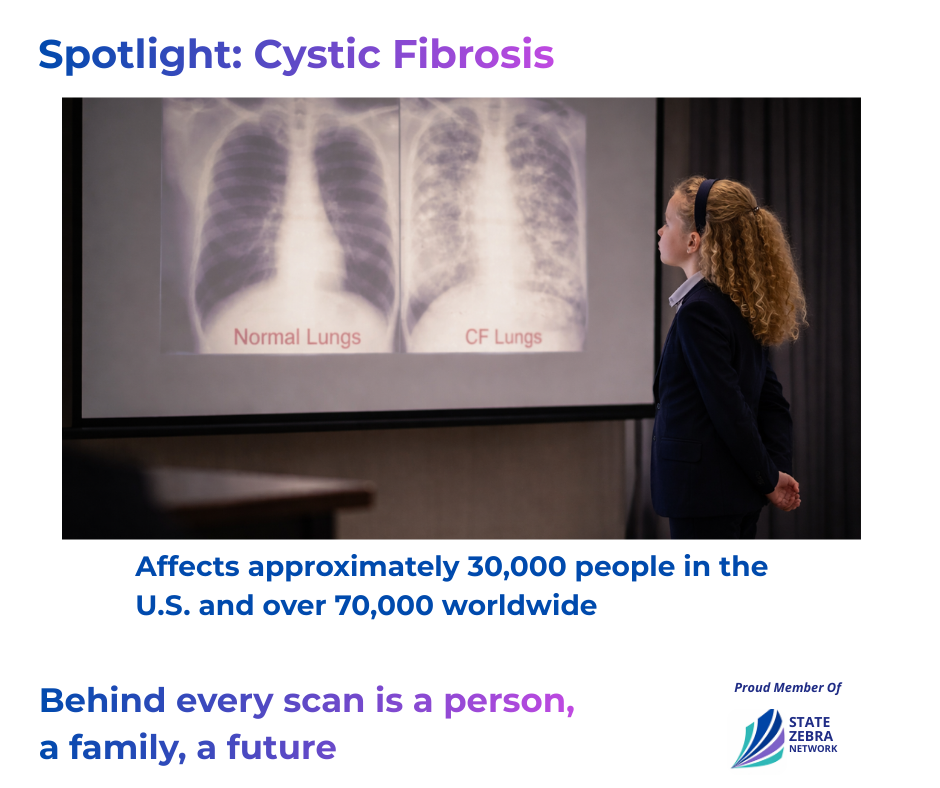
Spotlight: Cystic Fibrosis
Facebook / Instagram
- Option 1: Cystic fibrosis is a rare genetic condition that affects the lungs and digestive system and impacts tens of thousands of people worldwide. Behind every statistic is a person, a family, and a future.
- Option 2: Research has transformed what’s possible for people living with cystic fibrosis—but continued progress depends on sustained investment and advocacy.
Twitter/X
- Option 1: Cystic fibrosis affects tens of thousands worldwide. Research and advocacy change outcomes.
- Option 1: Advances in cystic fibrosis care show the power of research, policy, and patient advocacy working together.
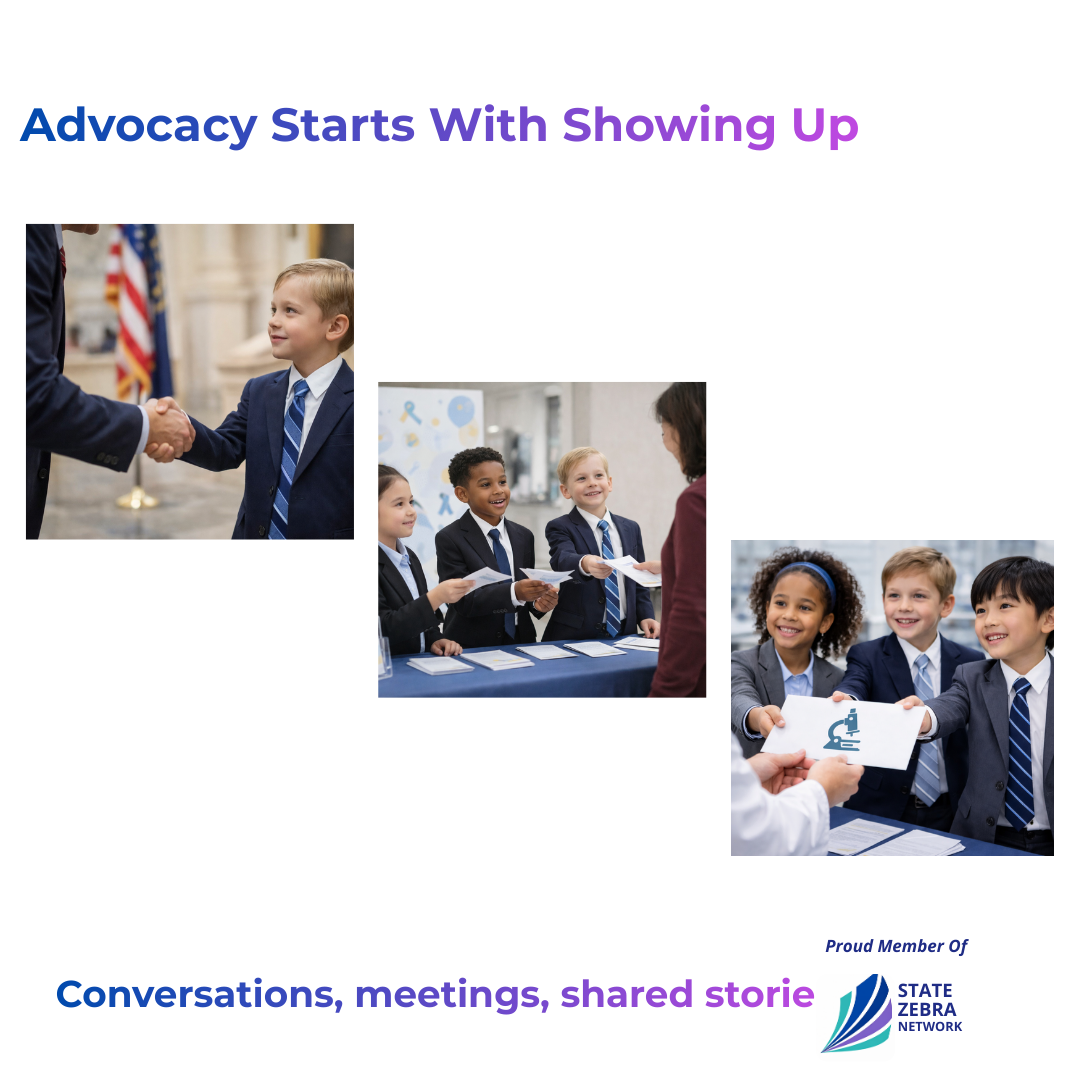
Advocacy Starts With Showing Up
Facebook / Instagram
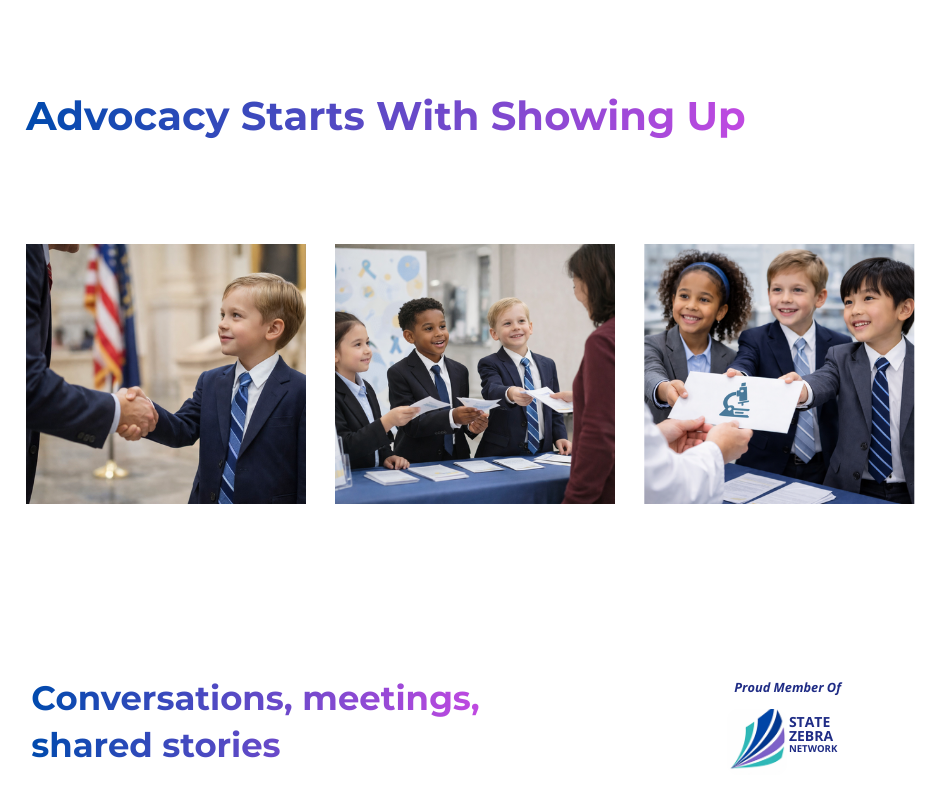
- Option 1: Advocacy begins with showing up—sharing stories, having conversations, and building relationships.
- Option 2: Change doesn’t happen alone. It starts when people come together and speak up.
Twitter/X
- Option 1: Advocacy starts with showing up—and staying engaged.
- Option 1: Advocacy transforms lived experience into meaningful, lasting change.
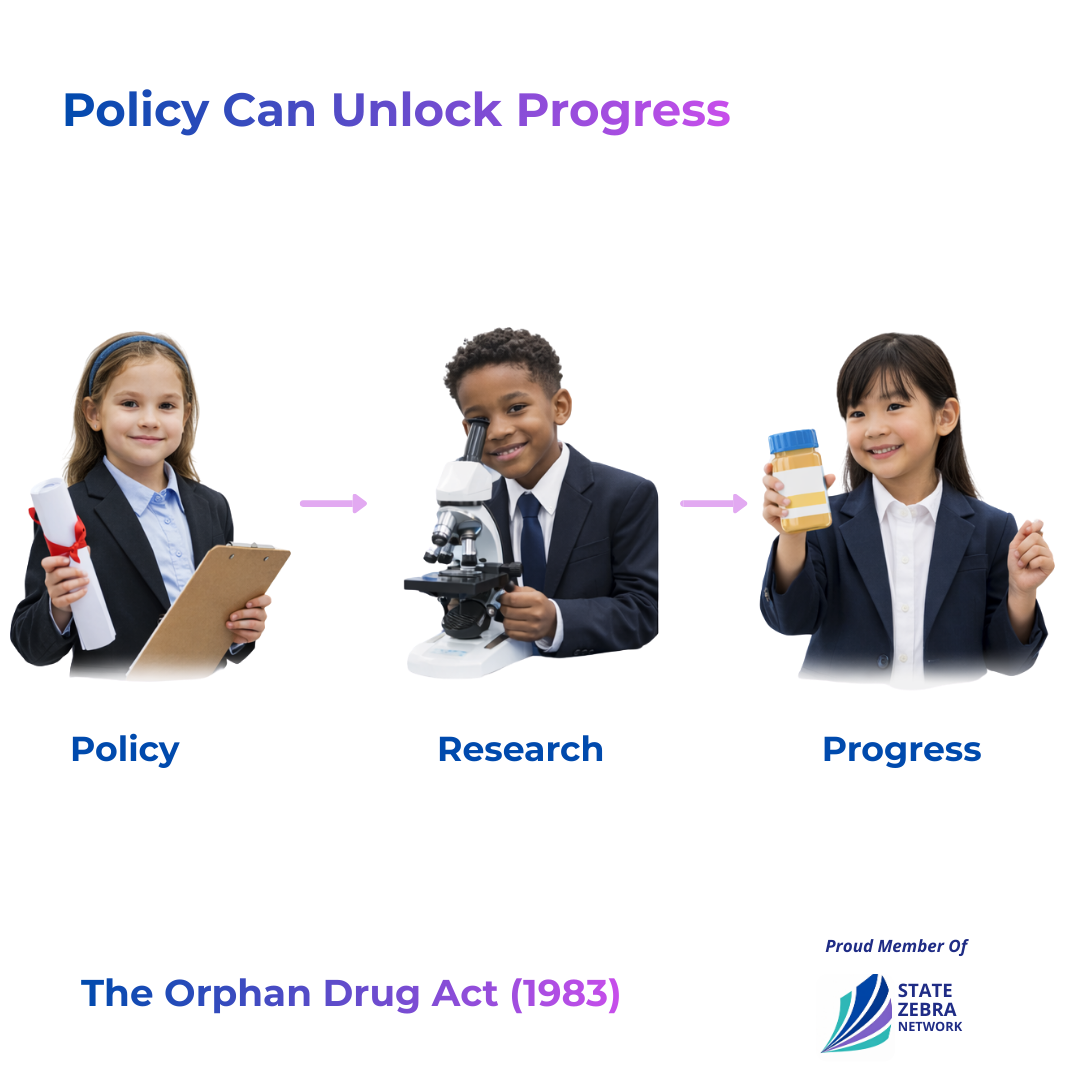
Policy Can Unlock Progress
Facebook / Instagram
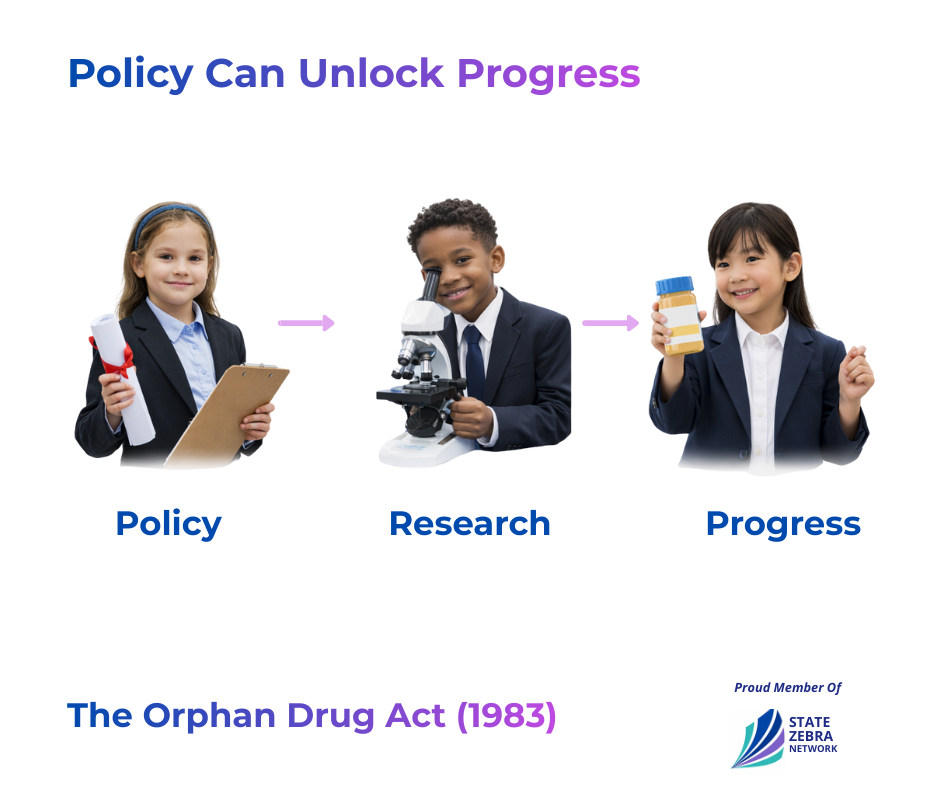
- Option 1: Smart policy fuels research—and research leads to progress for rare disease communities.
- Option 2: The Orphan Drug Act shows how policy can unlock innovation.
Twitter/X
- Option 1: Policy → Research → Progress. It works.
- Option 1: The Orphan Drug Act is a powerful example of how policy incentives drive rare disease research and treatment development.
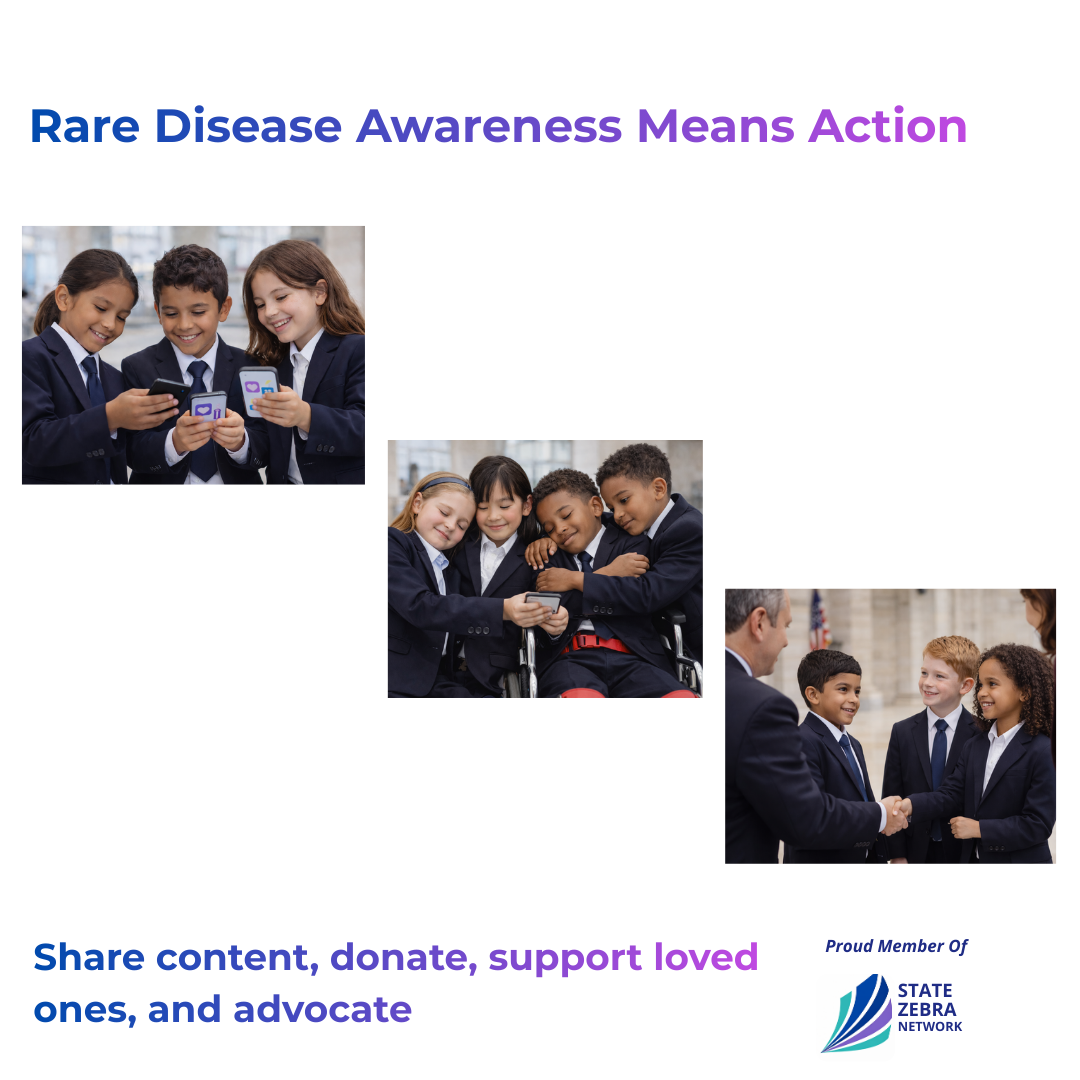
Rare Disease Awareness Means Action
Facebook / Instagram
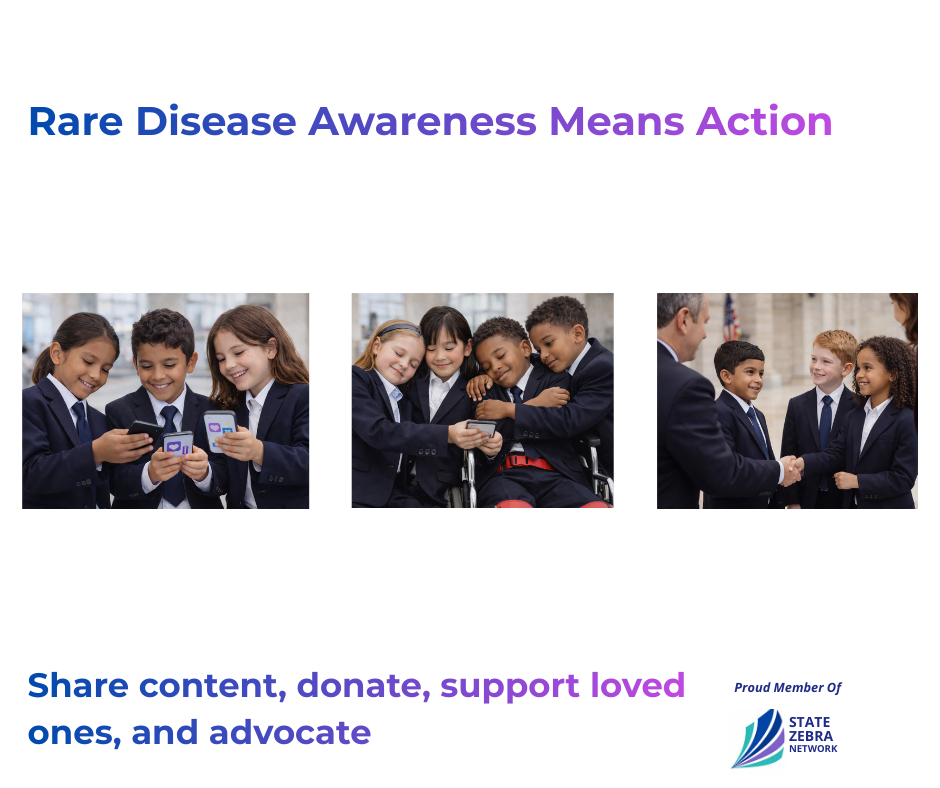
- Option 1: Awareness is just the beginning. Action—sharing, supporting, and advocating—creates change.
- Option 2: Small actions add up to meaningful impact.
Twitter/X
- Option 1: Awareness means action. #RareDisease
- Option 1: Turning awareness into action is essential for progress in rare disease policy and care.
Rest Is Part of the Fight (Self-Care )
Facebook / Instagram
- Option 1: Rest is part of the fight. Taking care of yourself is essential—for patients, caregivers, and advocates.
- Option 2: Self-care isn’t selfish. It’s necessary.
Twitter/X
- Option 1: Rest is part of the fight.
- Option 1: Supporting rare disease communities includes recognizing the importance of caregiver and patient well-being.
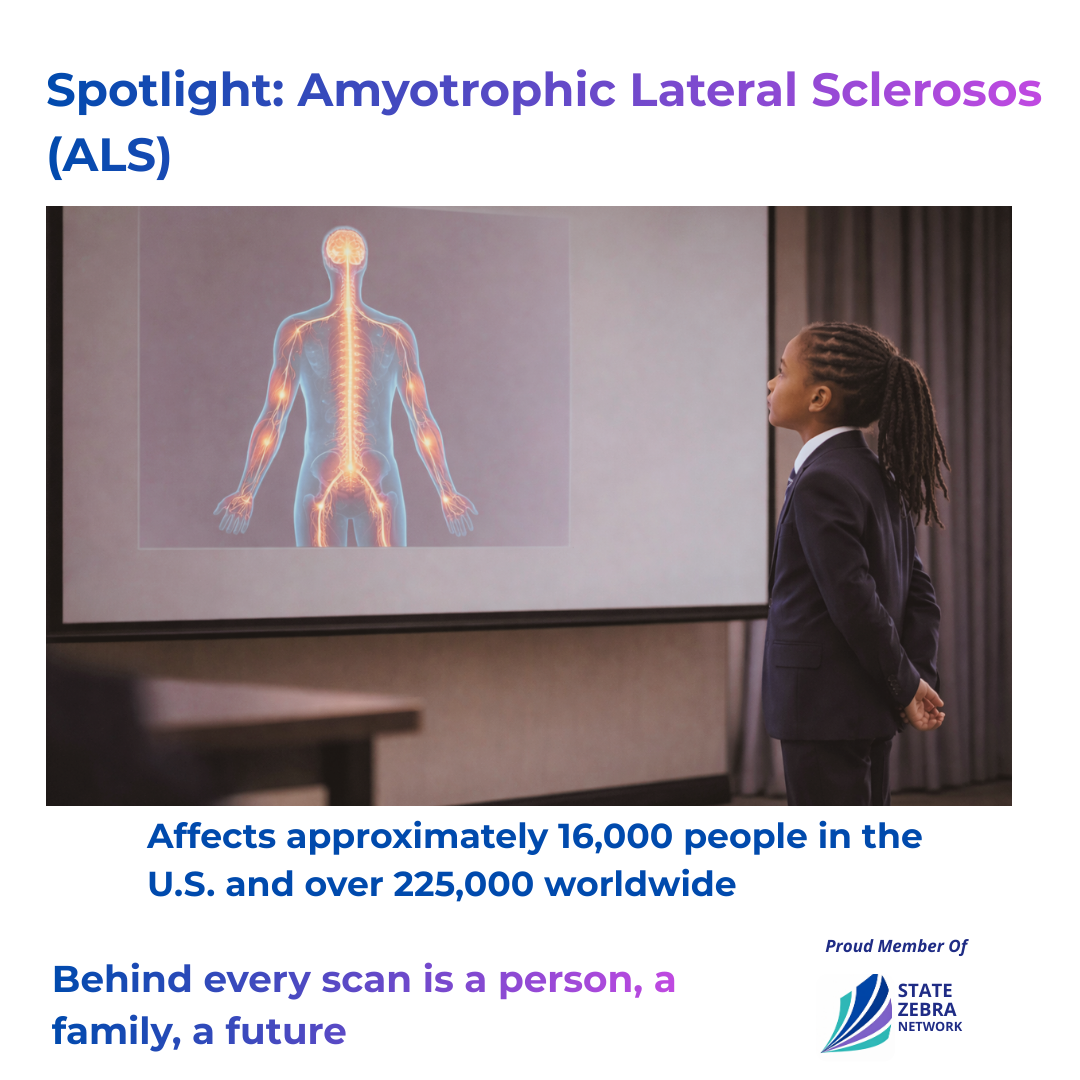
Spotlight: Amyotrophic Lateral Sclerosis (ALS)
Facebook / Instagram
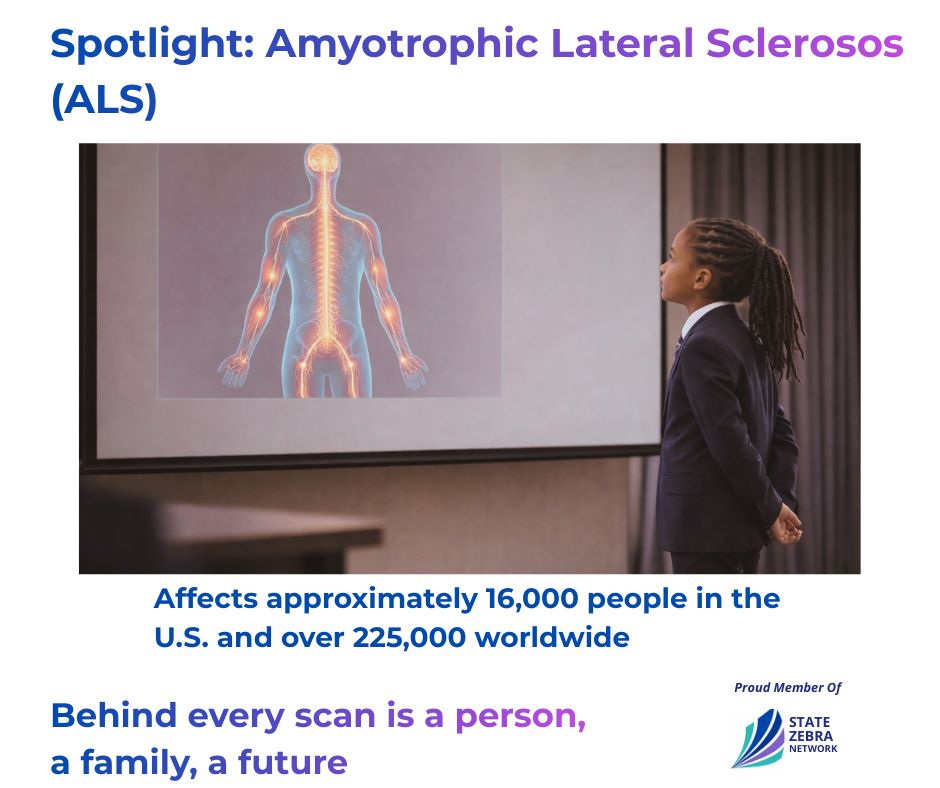
- Option 1: ALS is a rare neurodegenerative disease that affects nerve cells in the brain and spinal cord, leading to progressive loss of muscle control.
- Option 2: While there is no cure yet, research and supportive care continue to improve quality of life for people living with ALS.
Twitter/X
- Option 1: ALS impacts thousands of individuals and families worldwide. Research brings hope.
- Option 1: Continued investment in neurodegenerative disease research is critical to improving ALS outcomes.
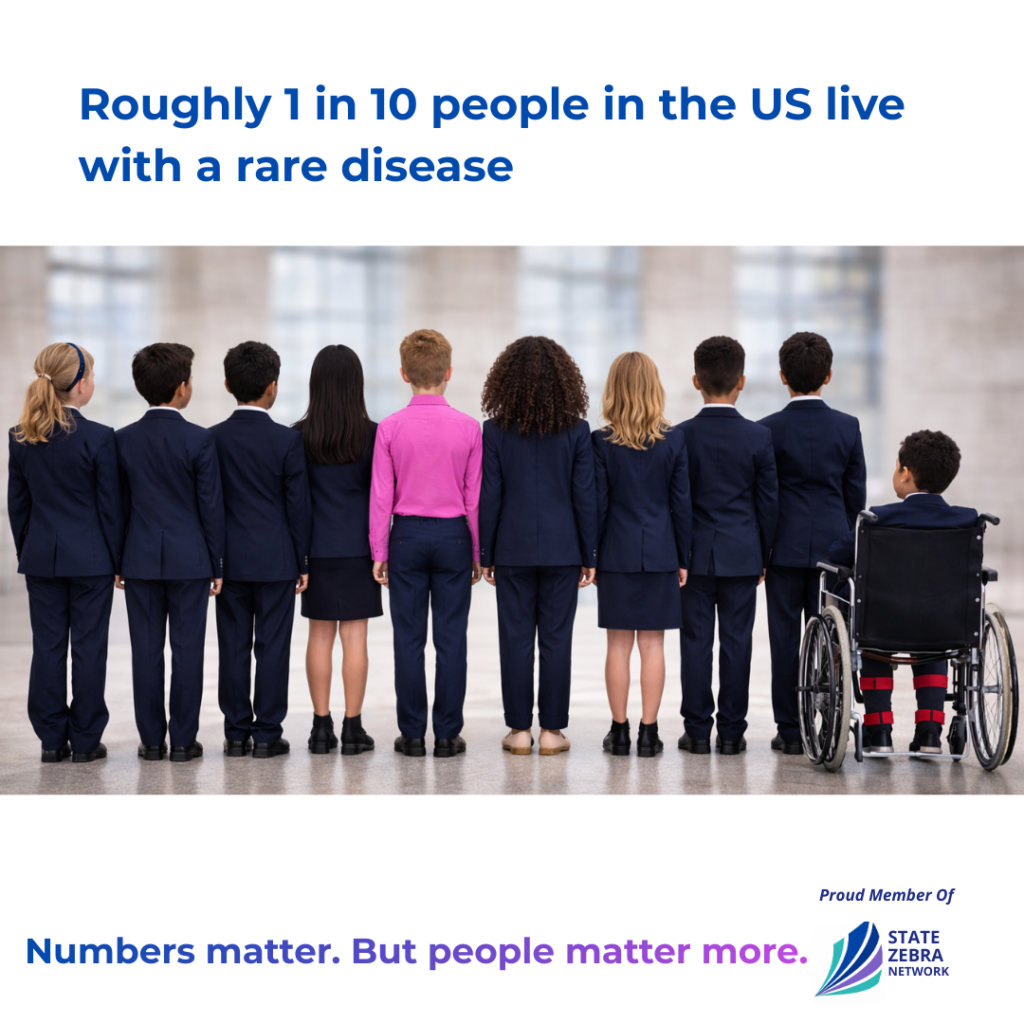
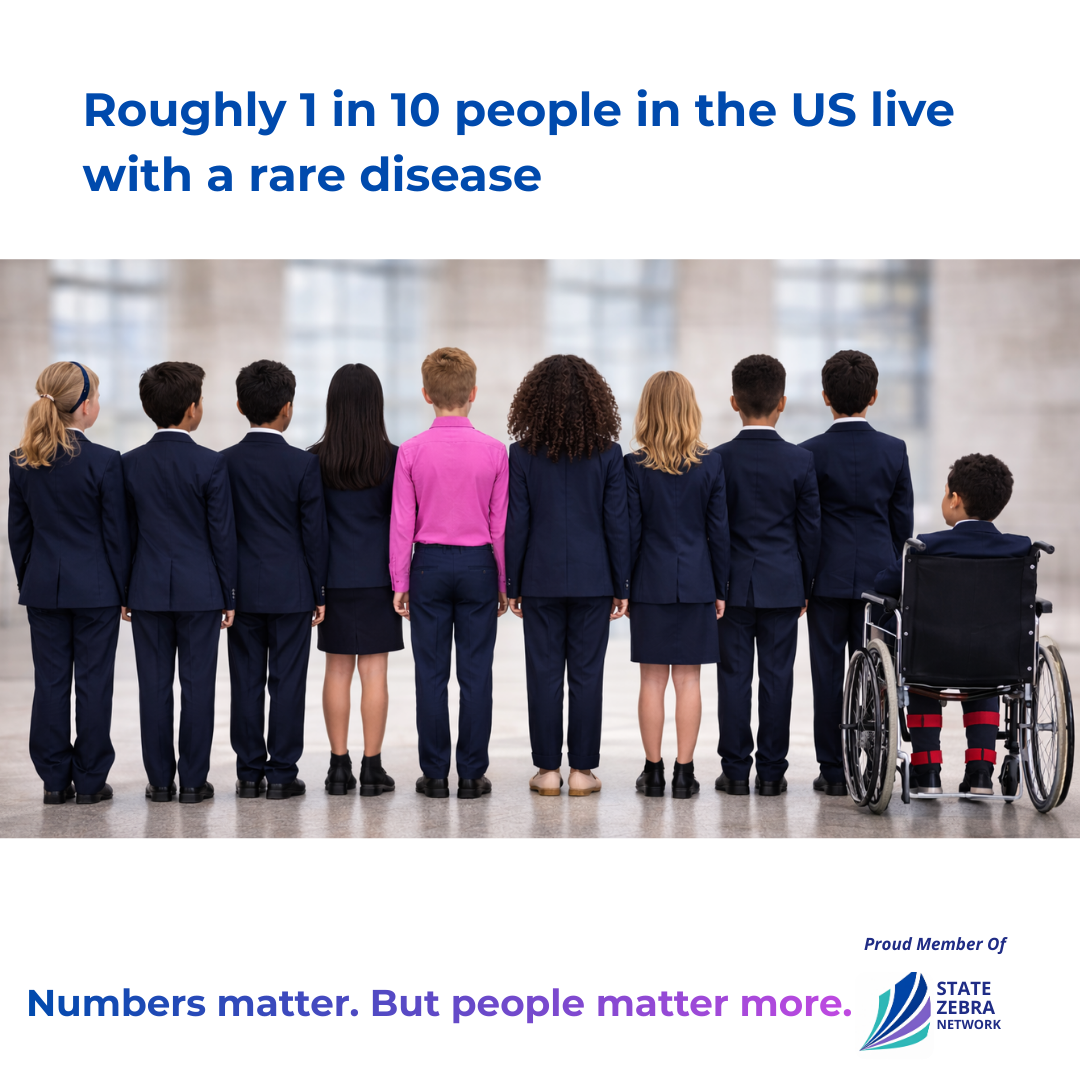
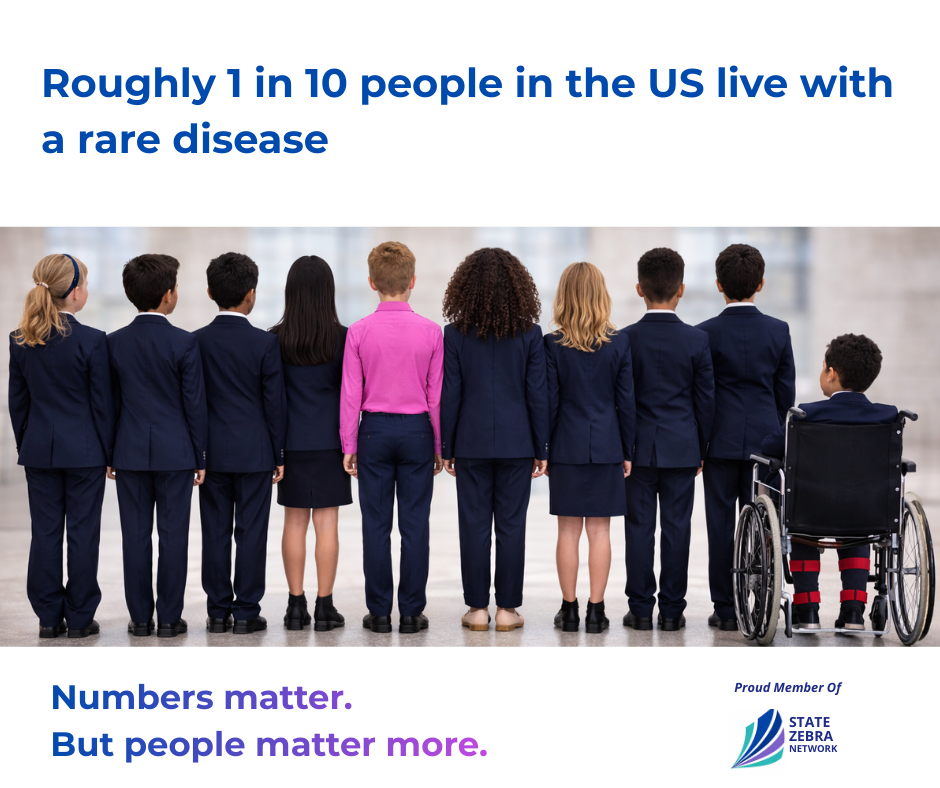
Roughly 1 in 10 People Live With a Rare Disease
Facebook / Instagram
- Option 1: Rare disease affects about 1 in 10 people. Numbers matter—but people matter more.
- Option 2: Rare disease isn’t rare when you look at the bigger picture.
Twitter/X
- Option 1: 1 in 10 people live with a rare disease. This impacts all of us.
- Option 1: Rare disease represents a significant public health challenge requiring scalable, inclusive solutions.
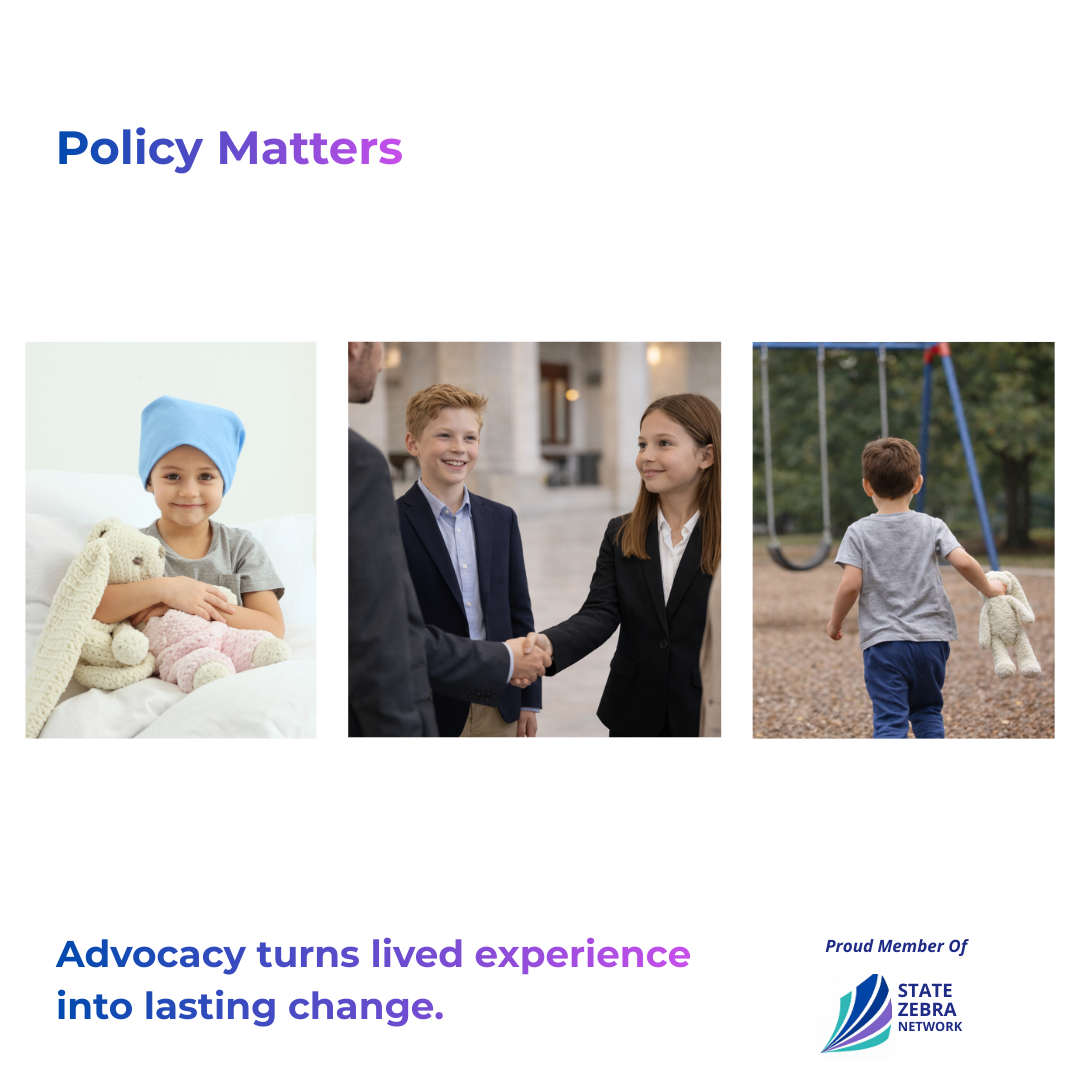
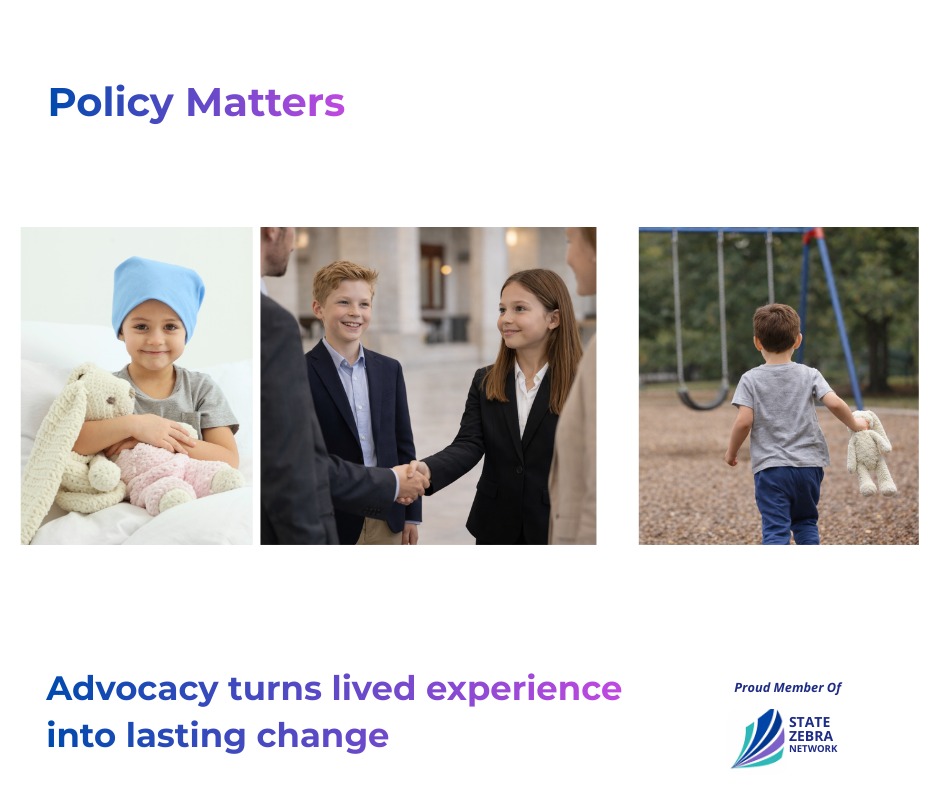
Policy Matters
Facebook / Instagram
- Option 1: Policy matters. Advocacy turns lived experience into lasting change.
- Option 2: When policymakers listen, real progress happens.
Twitter/X
- Option 1: Policy matters—especially for rare disease communities.
- Option 1: Evidence-based policy transforms patient experience into systemic progress.
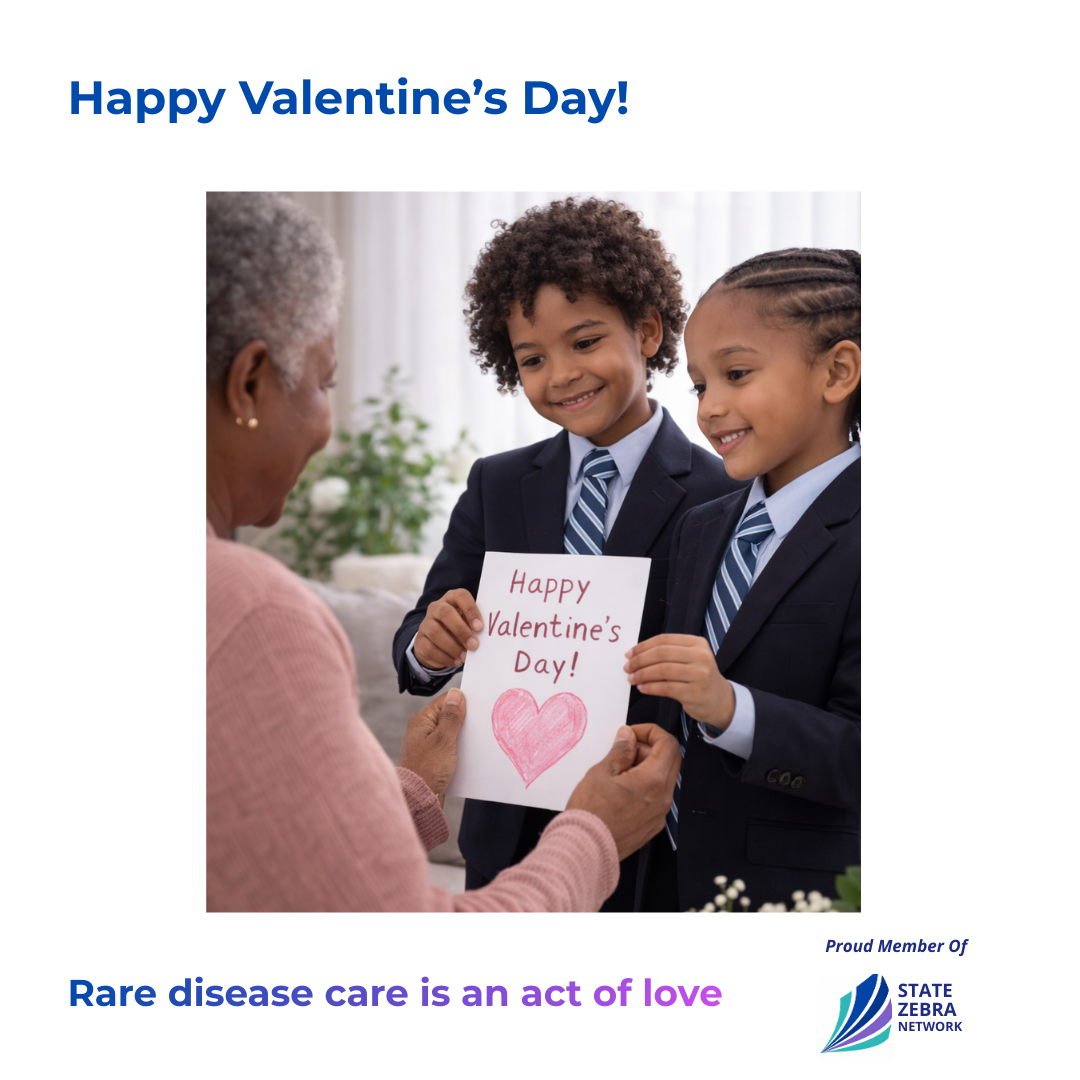
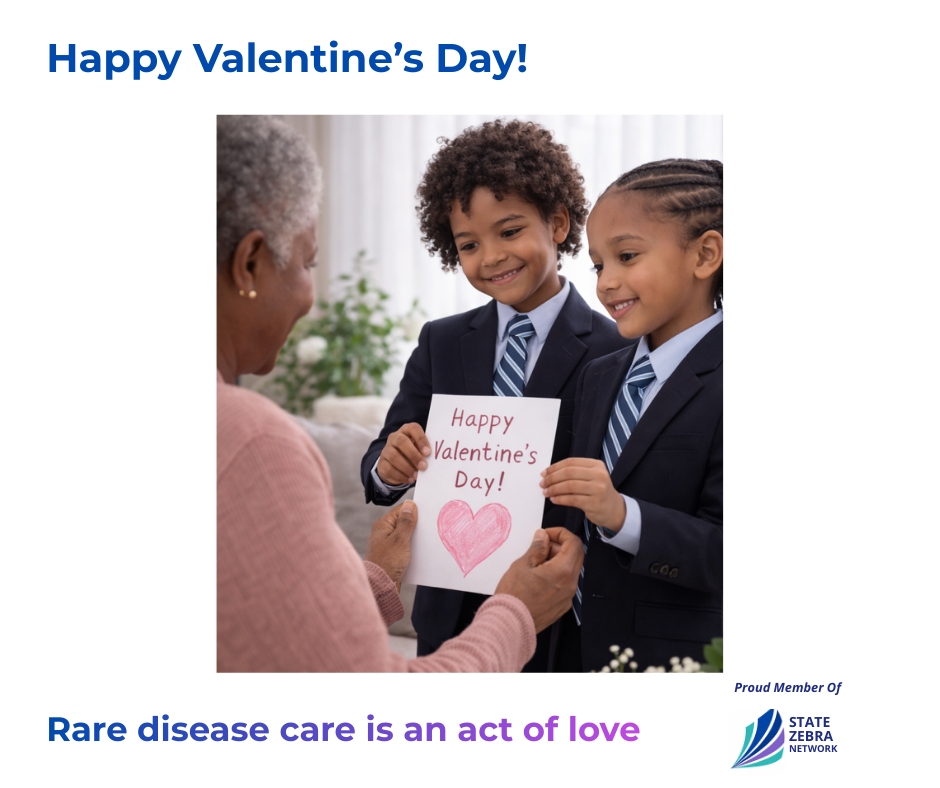
Valentine’s Day – Rare Disease Care Is an Act of Love
Facebook / Instagram
- Option 1: Rare disease care is an act of love—today and every day.
- Option 2: Happy Valentine’s Day to the caregivers, advocates, and families showing love through action.
Twitter/X
- Option 1: Rare disease care is an act of love.
- Option 1: Compassion-driven care and policy go hand in hand.
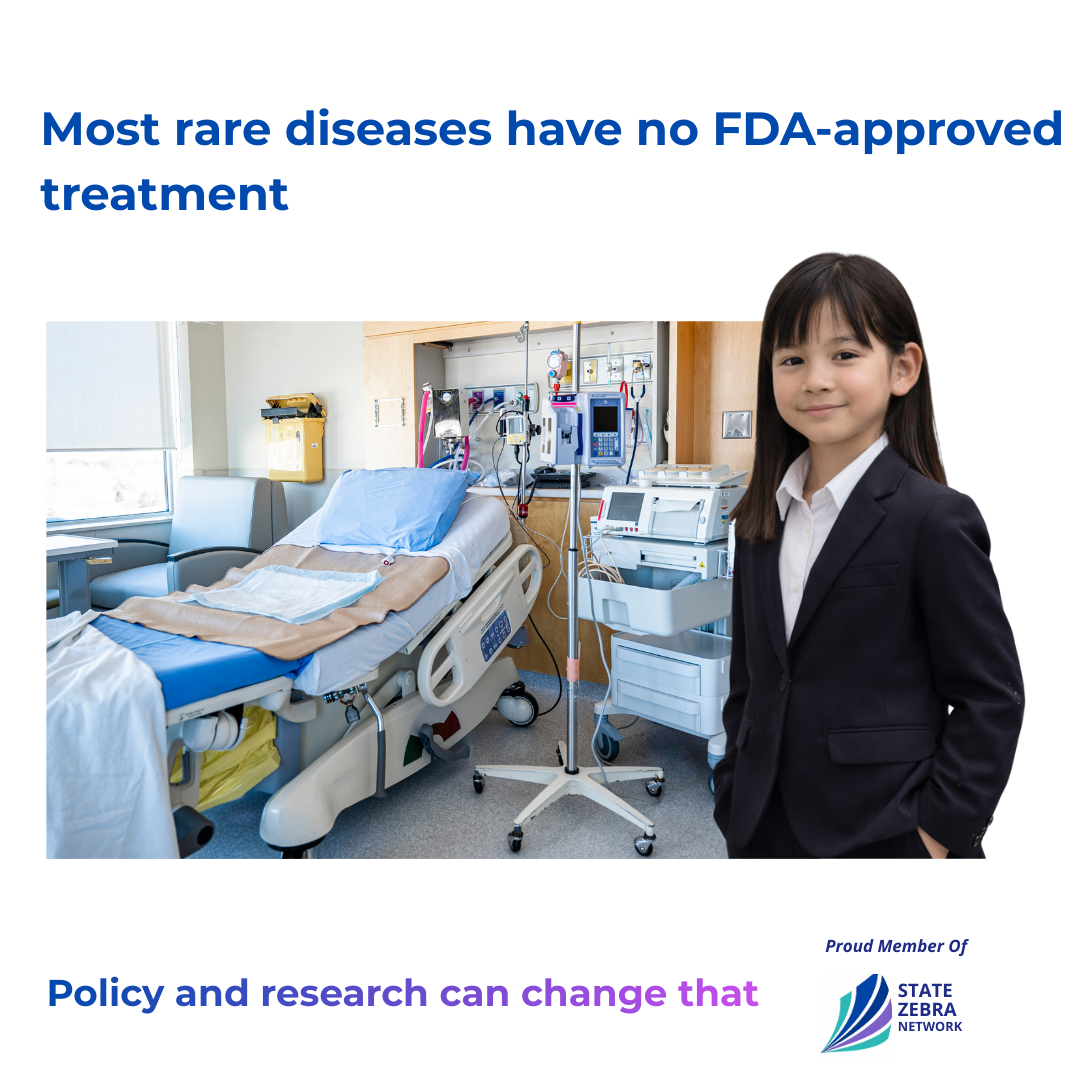
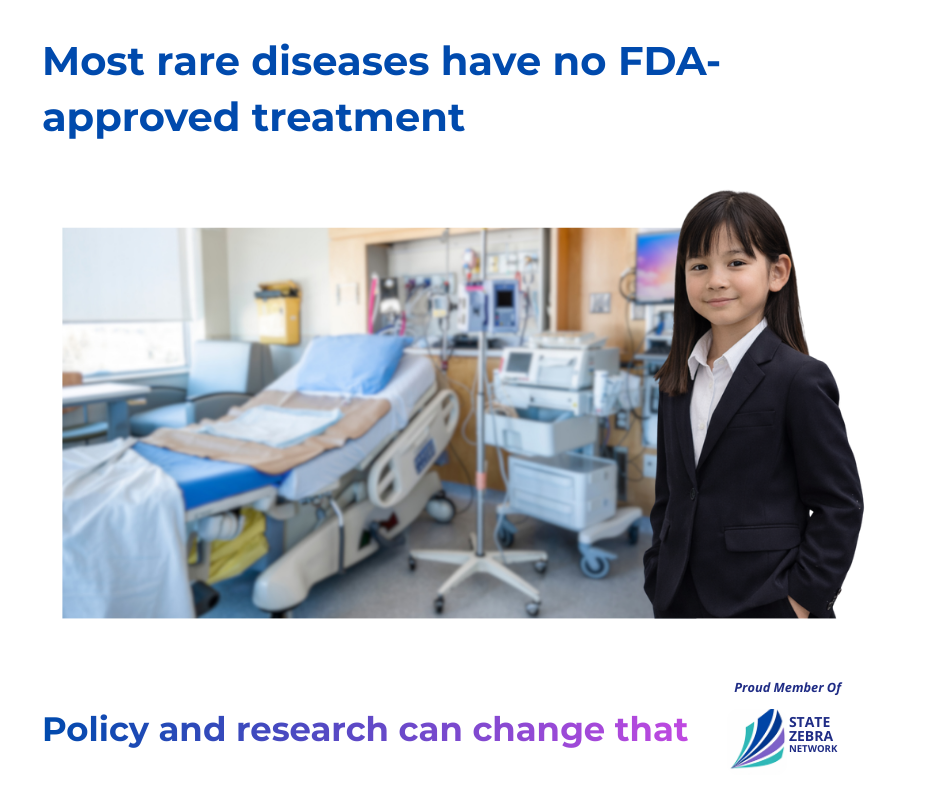
Most Rare Diseases Have No FDA-Approved Treatment
Facebook / Instagram
- Option 1: Most rare diseases still have no FDA-approved treatment—but policy and research can change that.
- Option 2: Patients deserve more options, faster.
Twitter/X
- Option 1: Research and policy can close the treatment gap.
- Option 1: Strategic policy and funding are critical to accelerating rare disease treatment development.
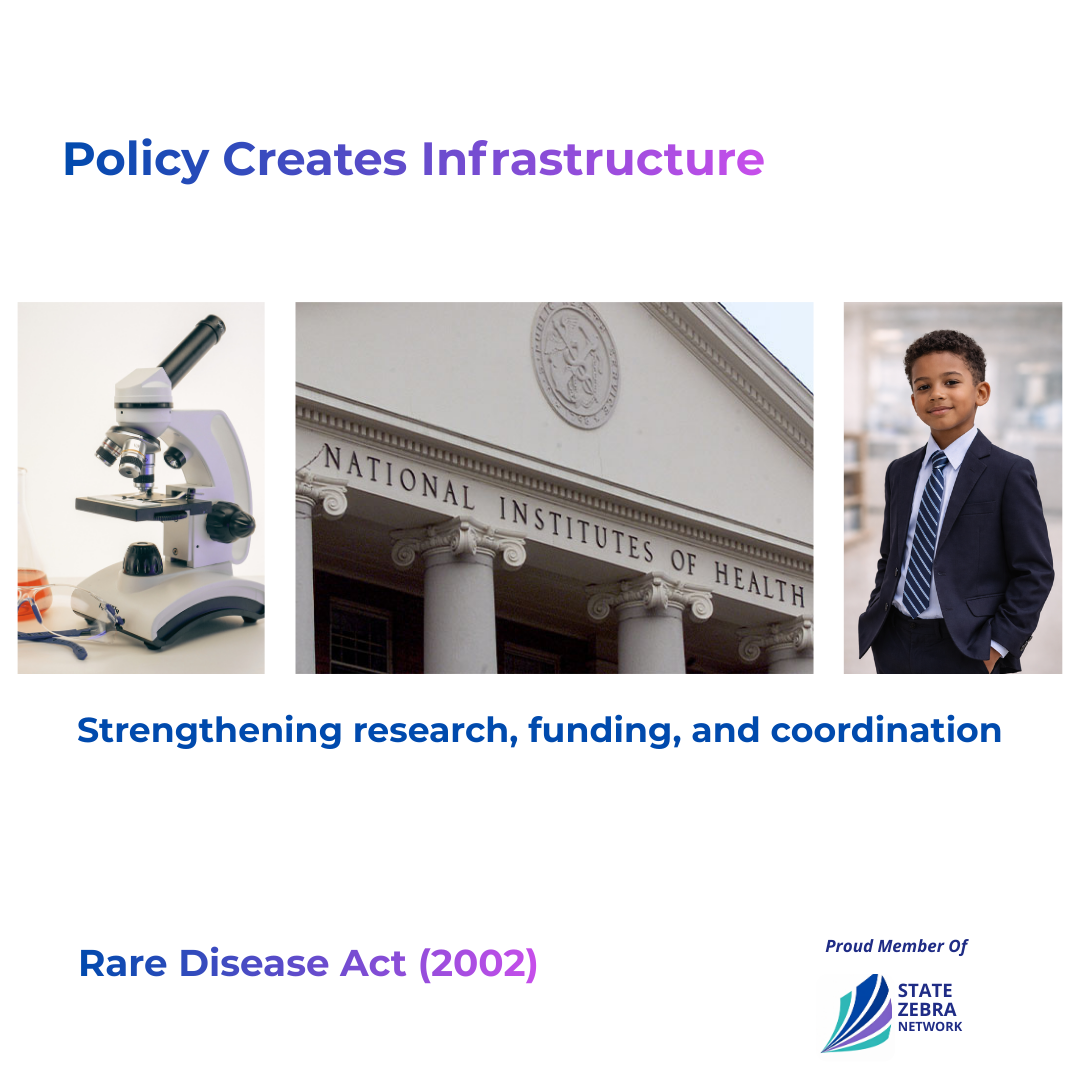
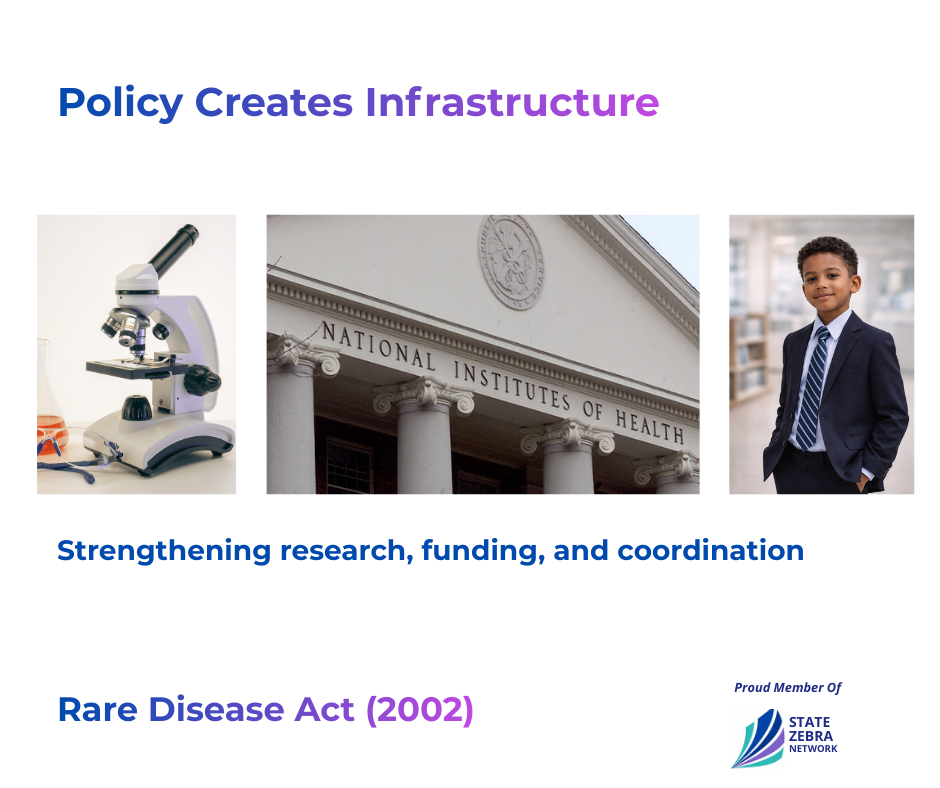
Policy Creates Infrastructure
Facebook / Instagram
- Option 1: Policy builds the infrastructure that makes research, funding, and coordination possible.
- Option 2: Progress doesn’t happen by accident—it’s built.
Twitter/X
- Option 1: Policy creates the foundation for progress.
- Option 1: The Rare Disease Act illustrates how policy strengthens research ecosystems.
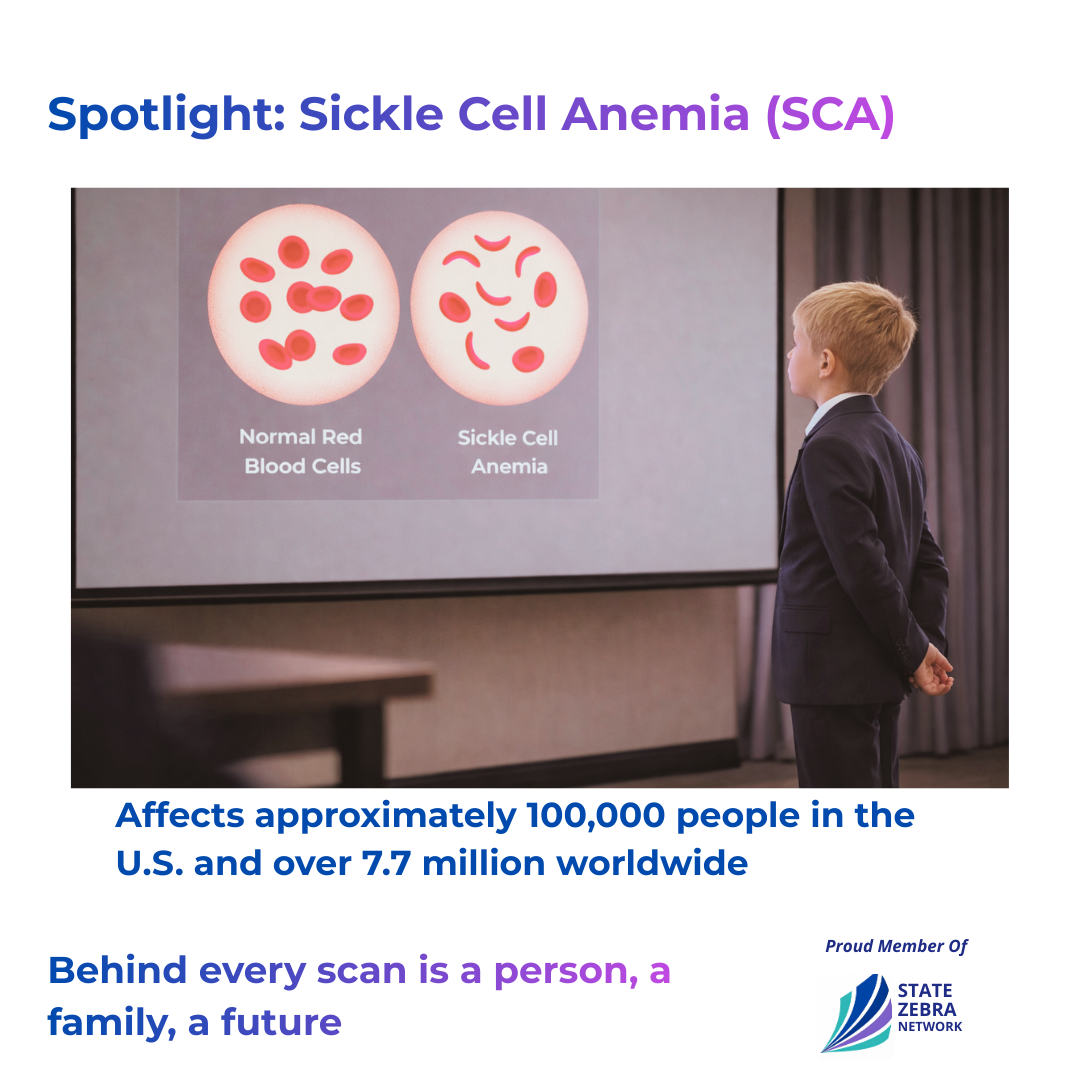
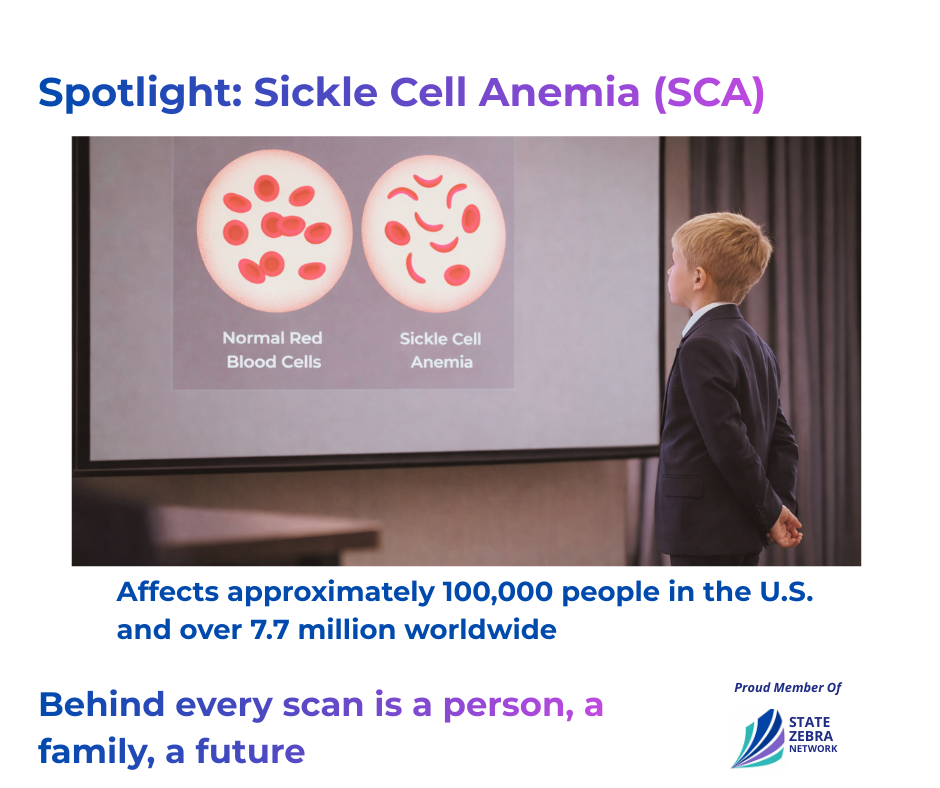
Spotlight: Sickle Cell Anemia (SCA)
Facebook / Instagram
- Option 1: Sickle cell anemia is a genetic blood disorder that affects red blood cells and can cause severe pain, infections, and organ damage.
- Option 2: Early diagnosis and access to comprehensive care can significantly improve outcomes for people living with sickle cell disease.
Twitter/X
- Option 1: Sickle cell disease impacts millions worldwide. Awareness and advocacy matter.
- Option 1: Addressing sickle cell disease requires equity-focused research, policy, and access to care.
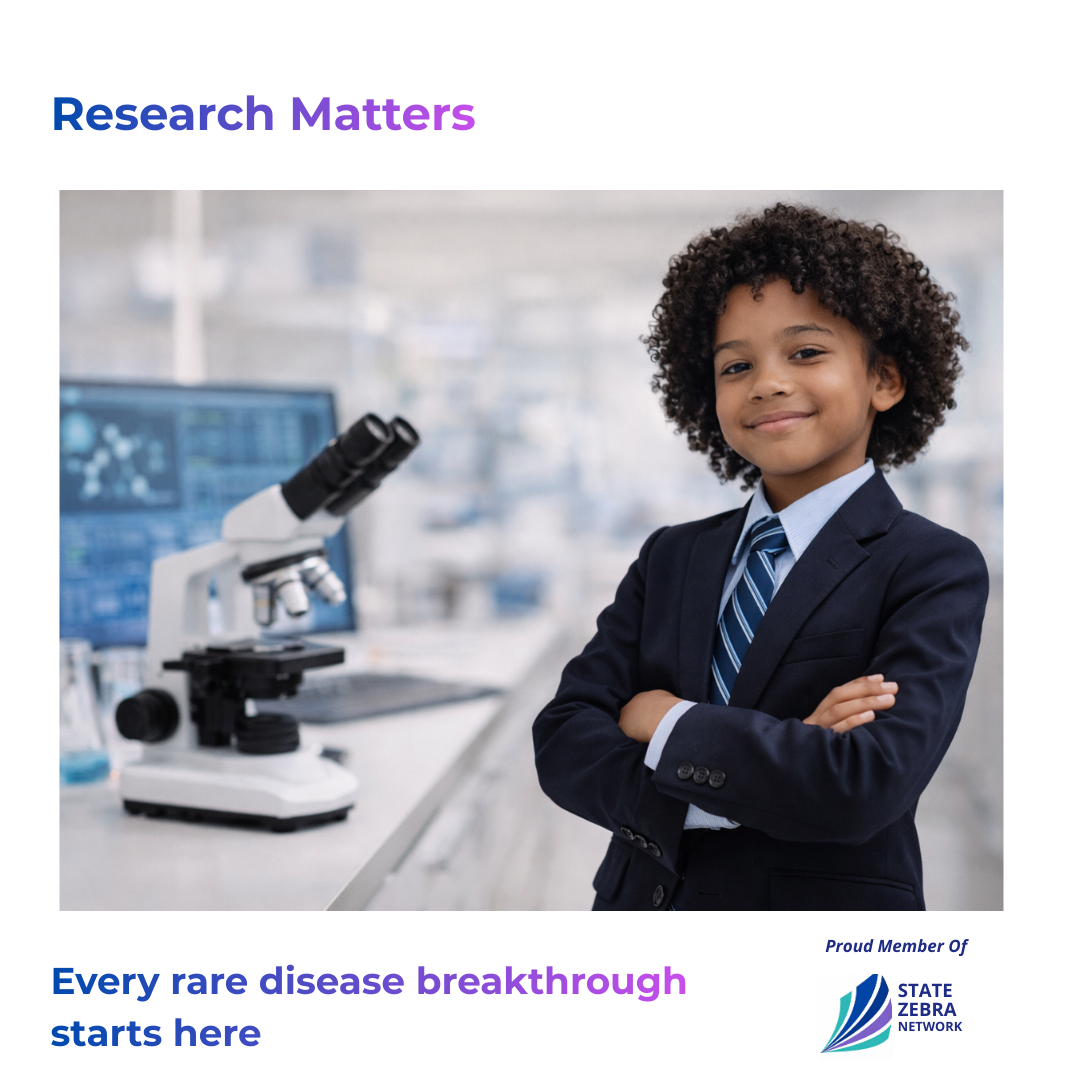
Research Matters
Facebook / Instagram
- Option 1: Every rare disease breakthrough starts with research.
- Option 2: Research gives families hope—and answers.
Twitter/X
- Option 1: Research matters. Full stop.
- Option 1: Research investment is foundational to innovation in rare disease care.
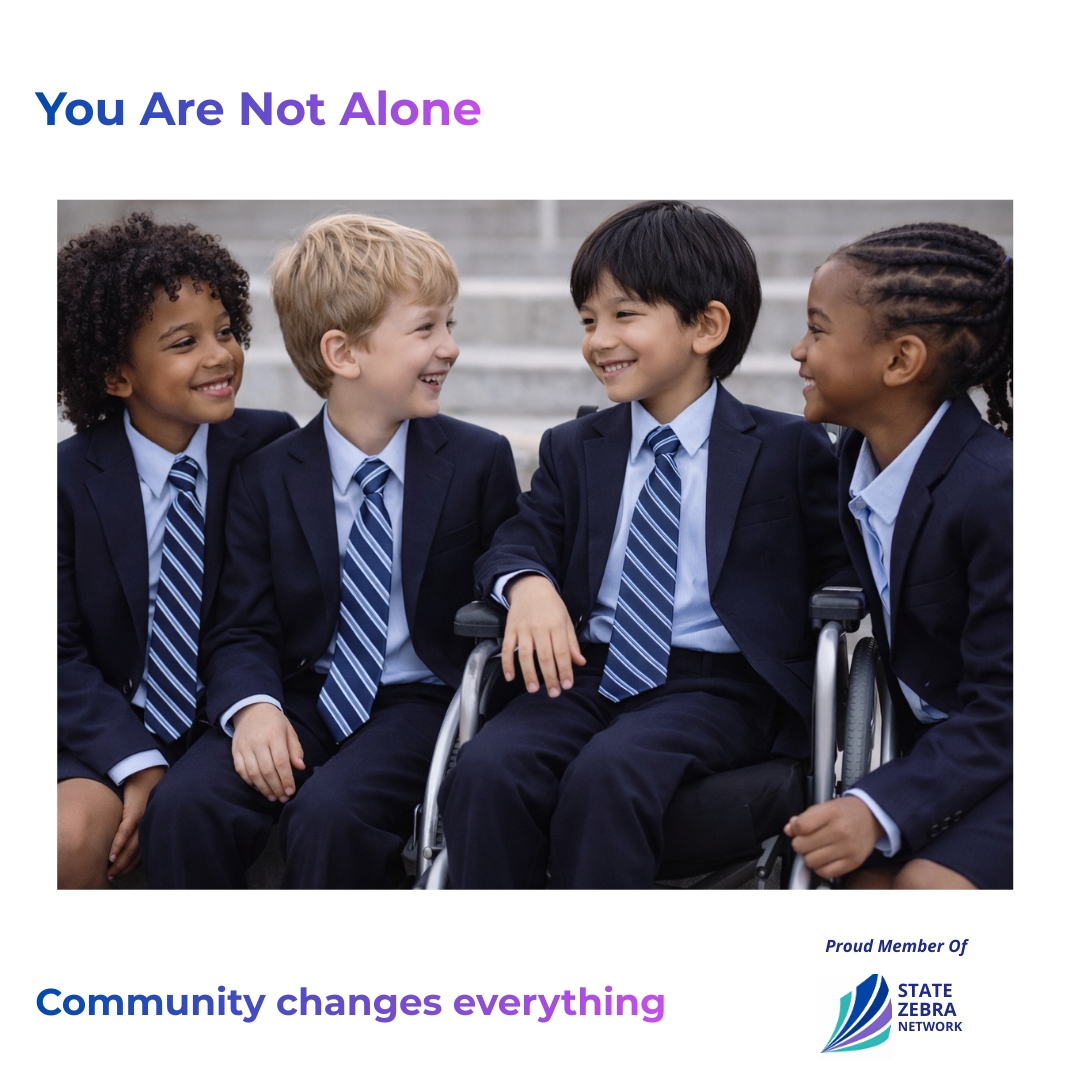
You Are Not Alone
Facebook / Instagram
- Option 1: You are not alone. Community changes everything.
- Option 2: Connection makes the journey easier.
Twitter/X
- Option 1: You are not alone.
- Option 1: Strong communities amplify patient voices and outcomes.
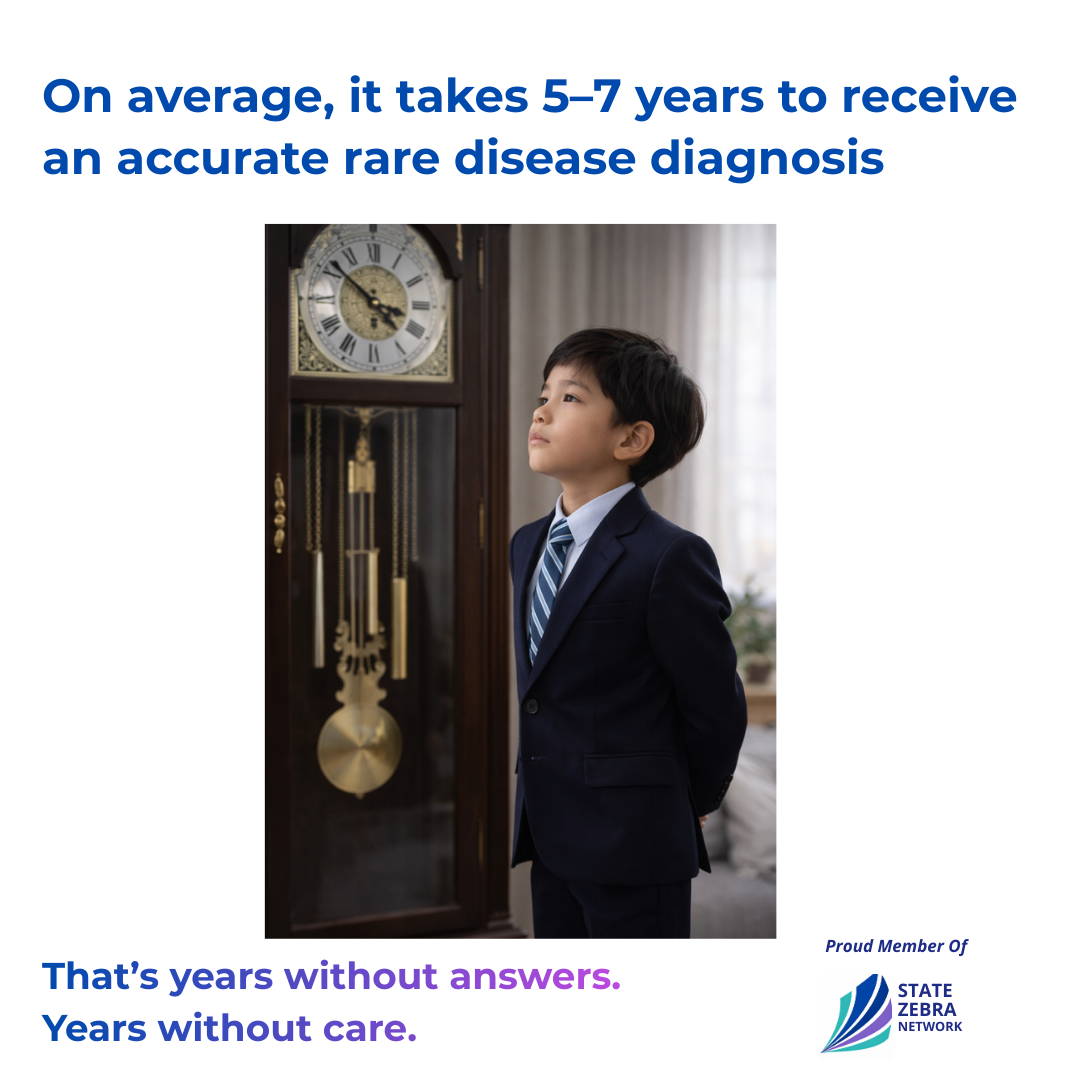
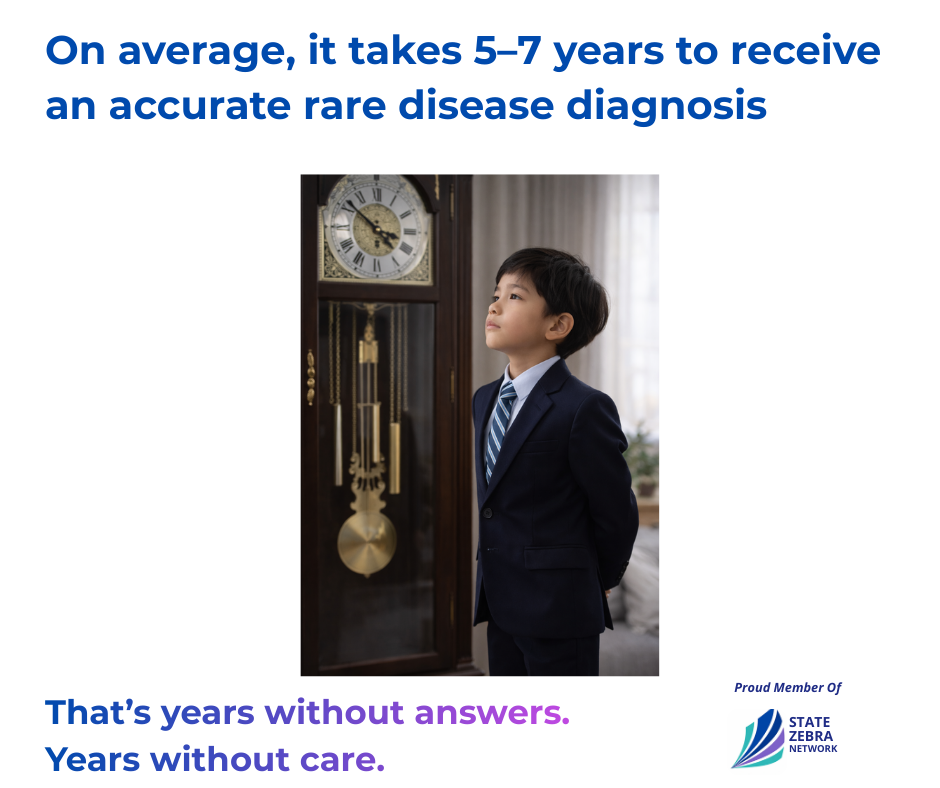
Diagnosis Delay
Facebook / Instagram
- Option 1: It can take 5–7 years to receive an accurate rare disease diagnosis. That’s too long.
- Option 2: Earlier diagnosis means earlier care—and better outcomes.
Twitter/X
- Option 1: Diagnosis delays cost time patients don’t have.
- Option 1: Reducing diagnostic delays is critical to improving rare disease care pathways.
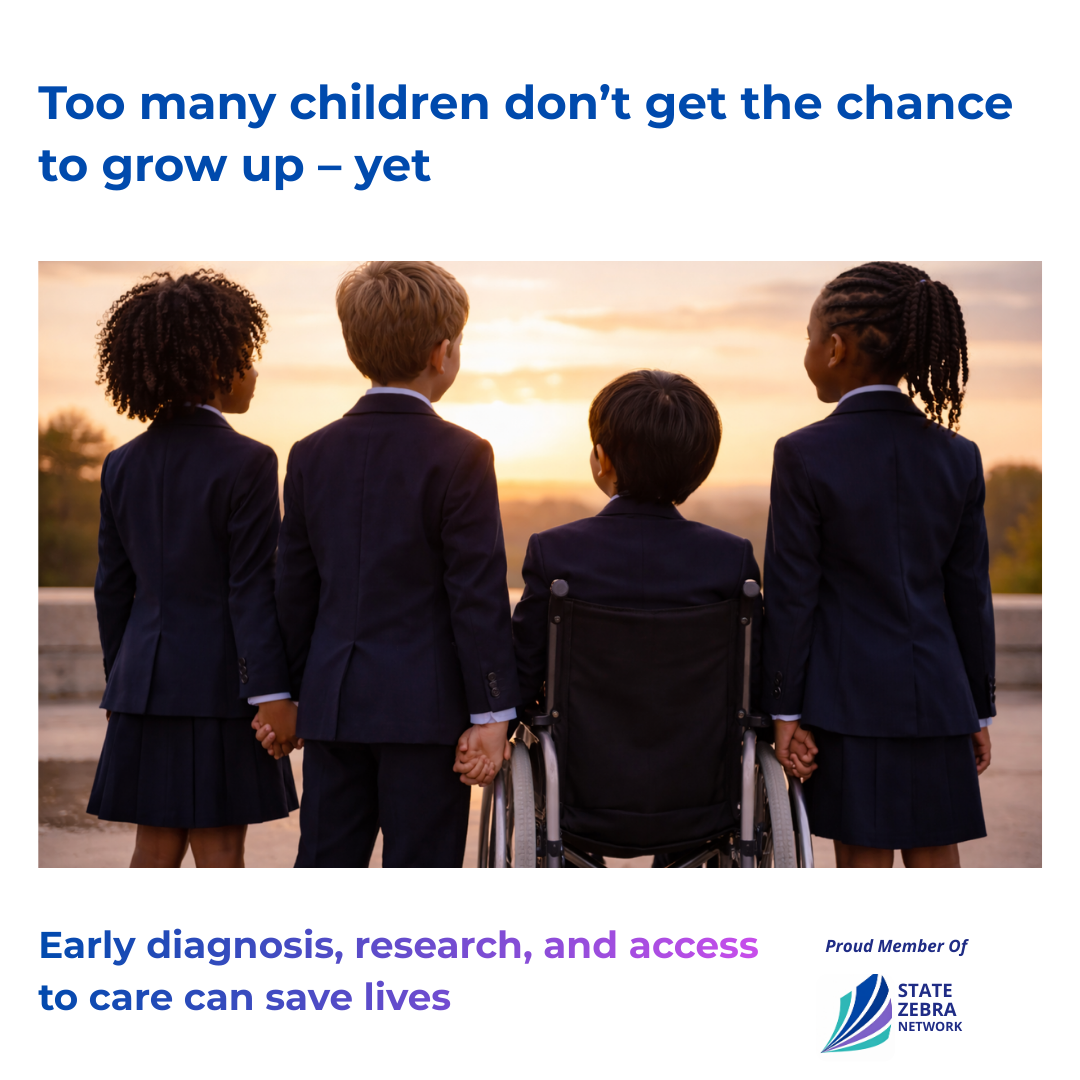
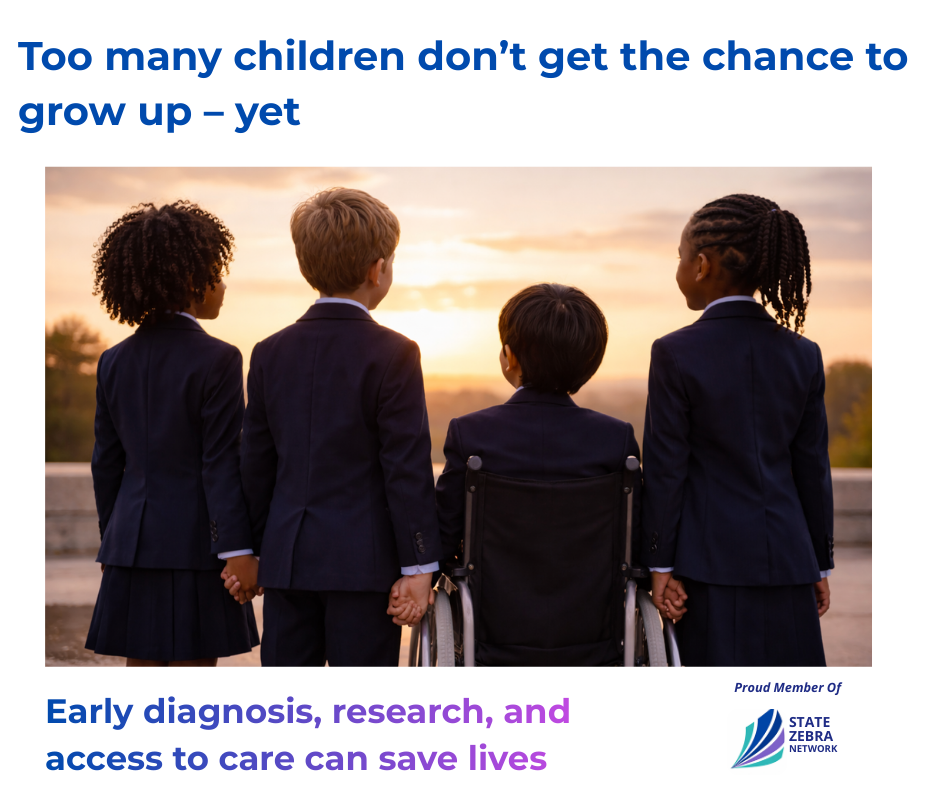
Early Diagnosis Saves Lives
Facebook / Instagram
- Option 1: Too many children don’t get the chance to grow up—yet.
- Option 2: Early diagnosis, research, and access to care save lives.
Twitter/X
- Option 1: Early diagnosis saves lives.
- Option 1: Early intervention improves outcomes and reduces long-term system burden.
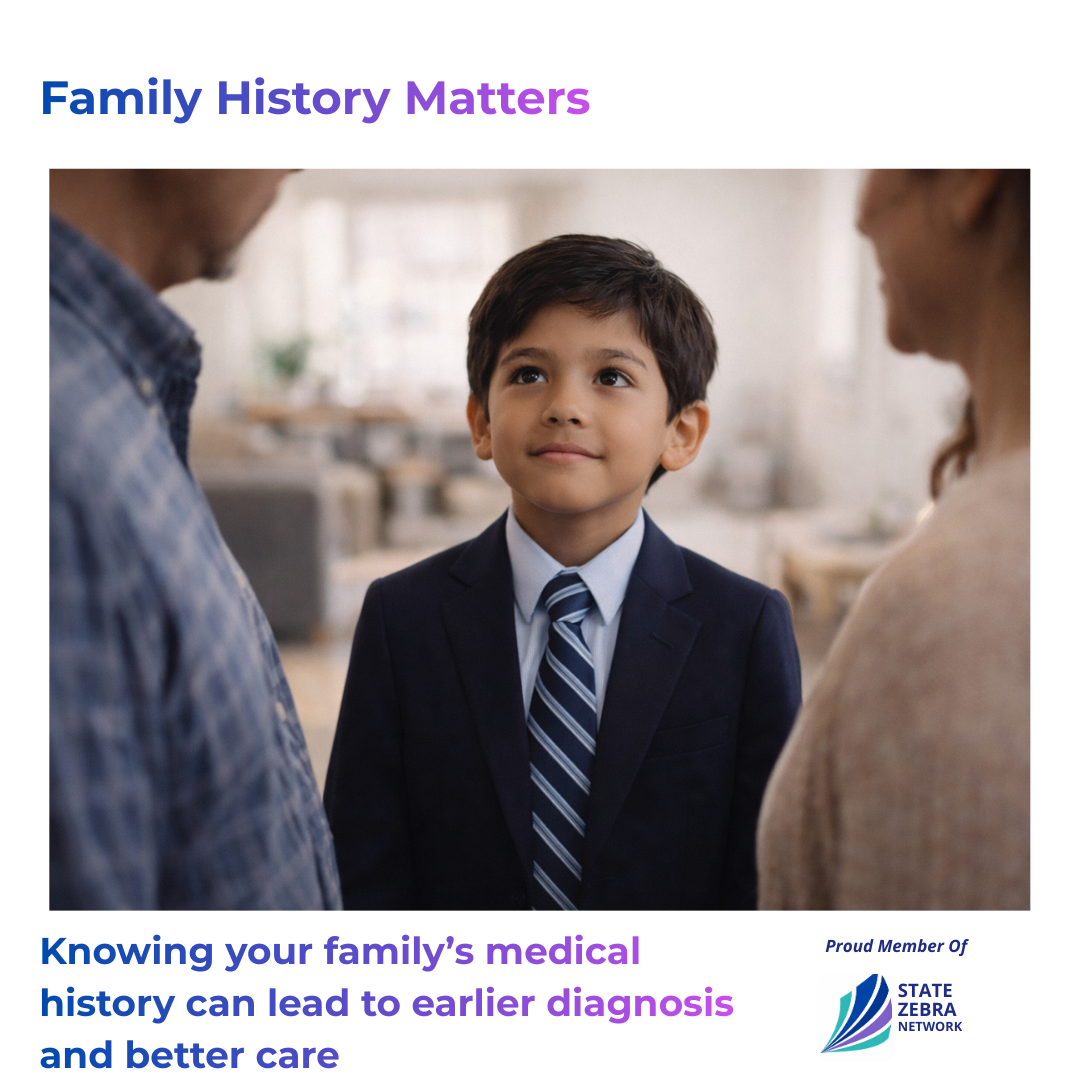
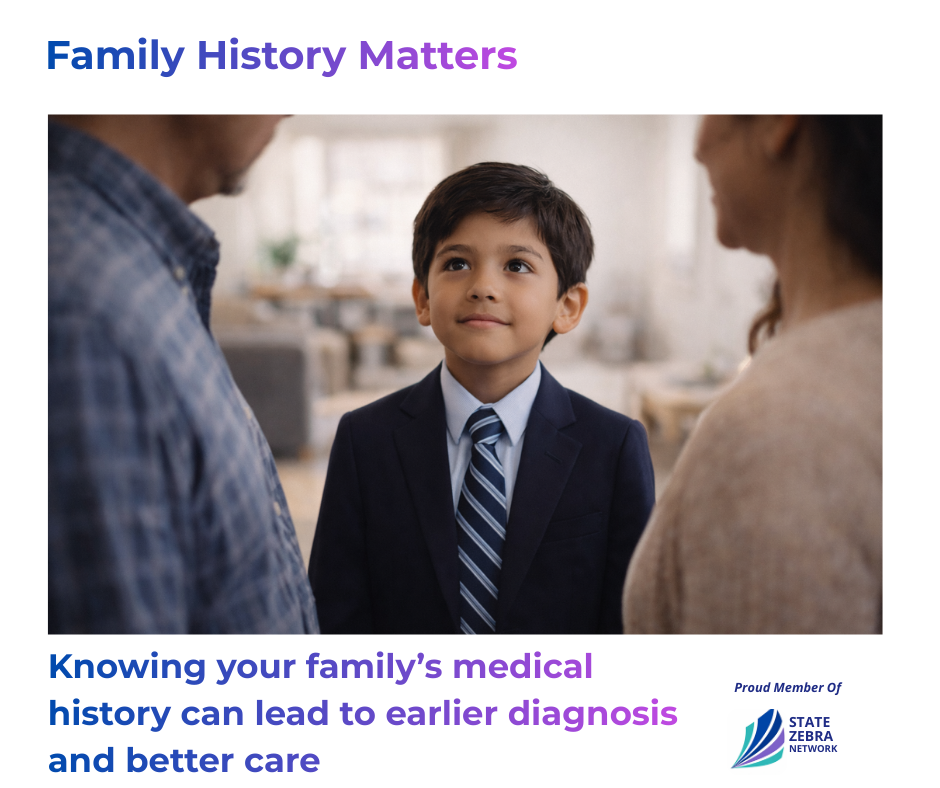
Family History Matters
Facebook / Instagram
- Option 1: Knowing your family medical history can lead to earlier diagnosis and better care.
- Option 2: Family history matters more than you think.
Twitter/X
- Option 1: Family history matters.
- Option 1: Family health data supports earlier, more accurate diagnoses.
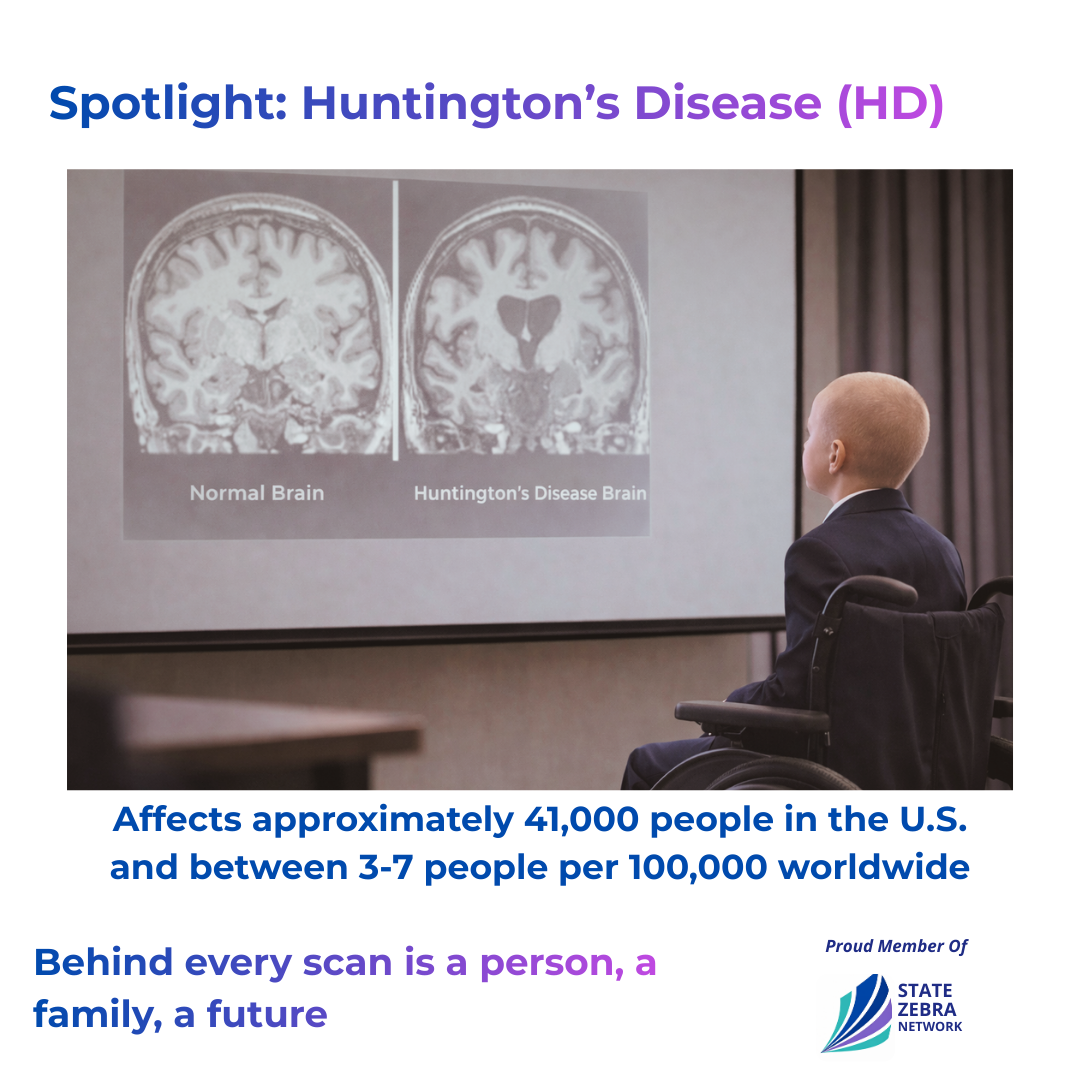
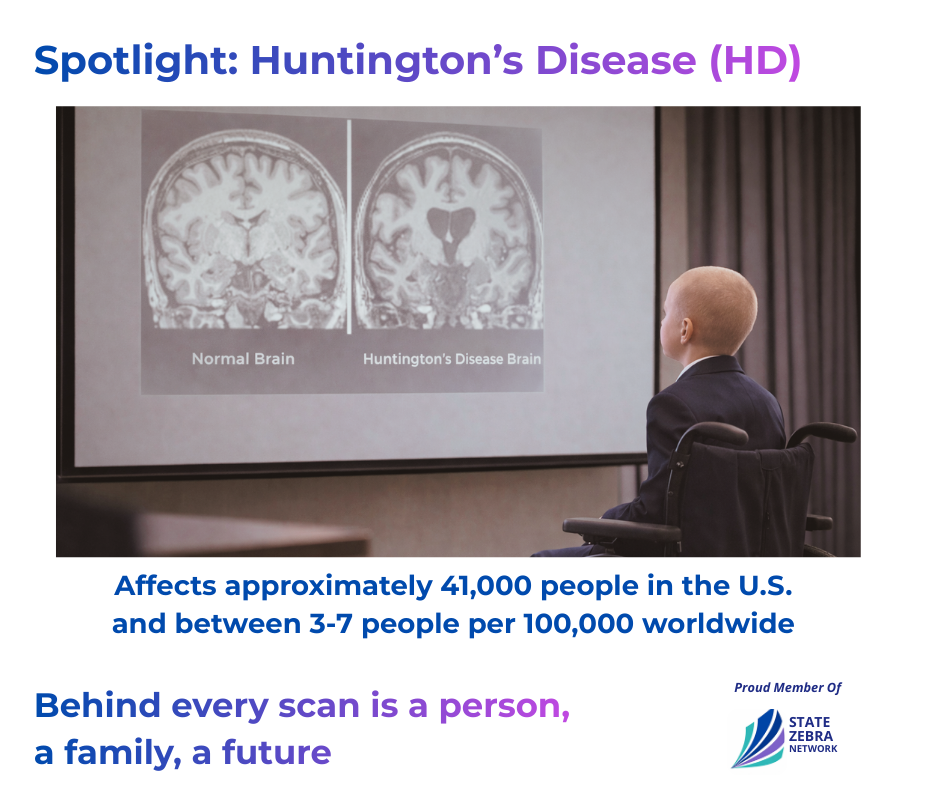
Spotlight: Huntington’s Disease
Facebook / Instagram
- Option 1: Huntington’s disease is a rare, inherited neurodegenerative disorder that affects movement, cognition, and behavior.
- Option 2: While there is no cure, research and supportive therapies help improve quality of life for individuals and families.
Twitter/X
- Option 1: Huntington’s disease affects families across generations. Research matters.
- Option 1: Sustained research funding is essential for progress in Huntington’s disease and similar conditions.
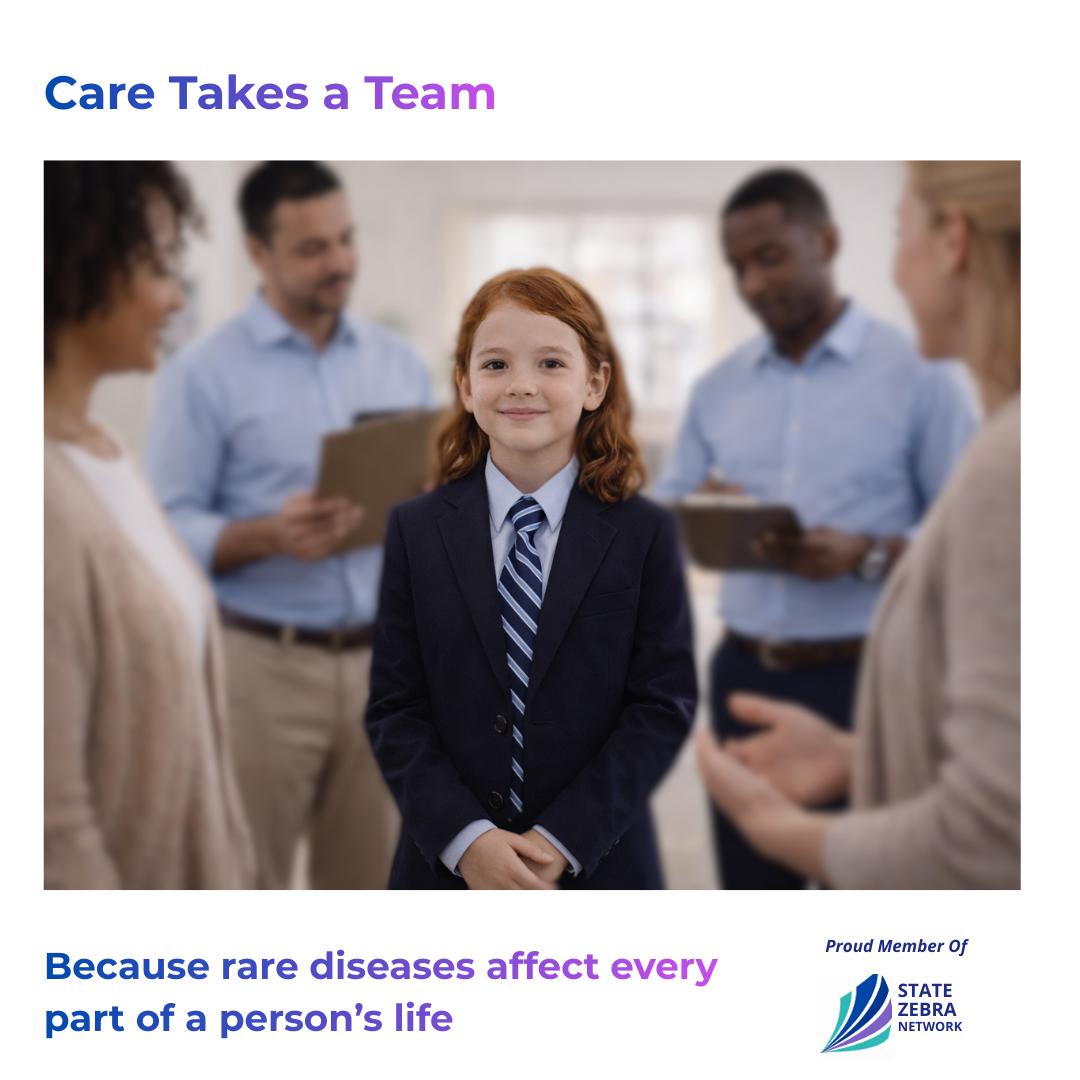
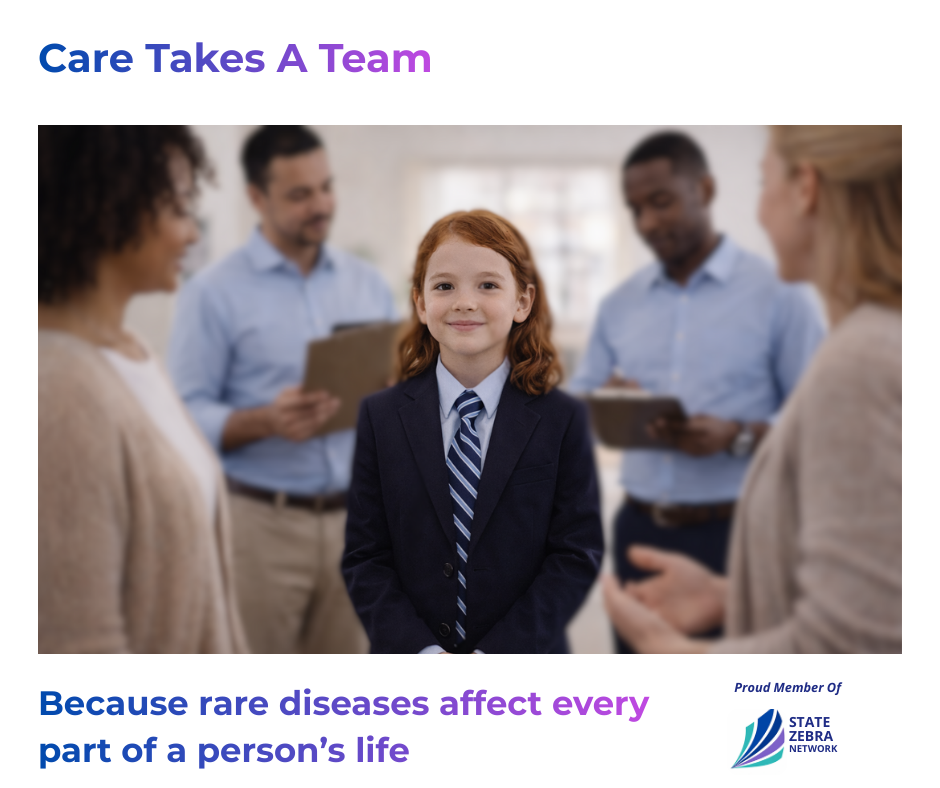
Care Takes a Team
Facebook / Instagram
- Option 1: Rare disease care takes a team—families, providers, researchers, and advocates.
- Option 2: Collaboration makes better care possible.
Twitter/X
- Option 1: Care takes a team.
- Option 1: Cross-sector collaboration is essential in rare disease care delivery.
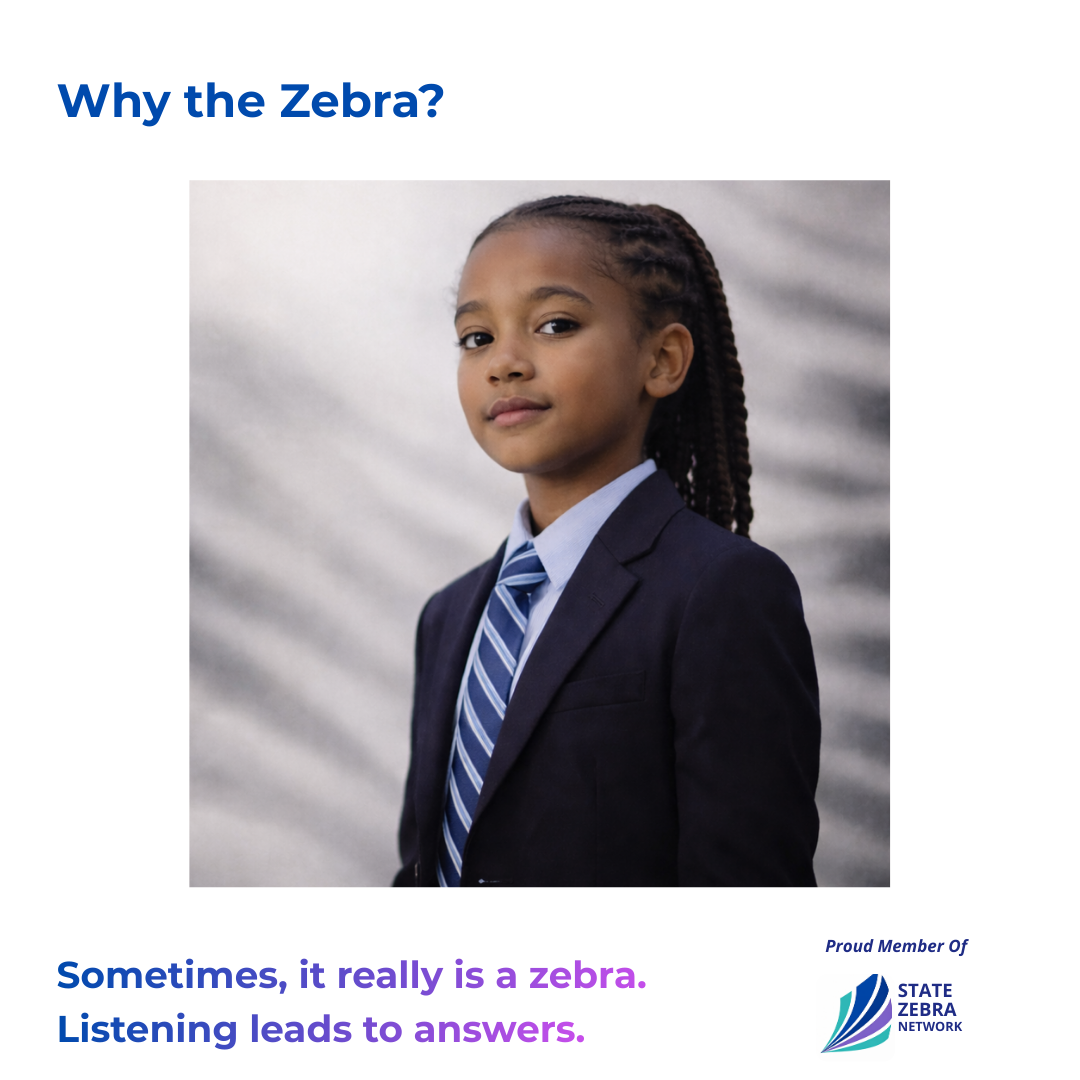
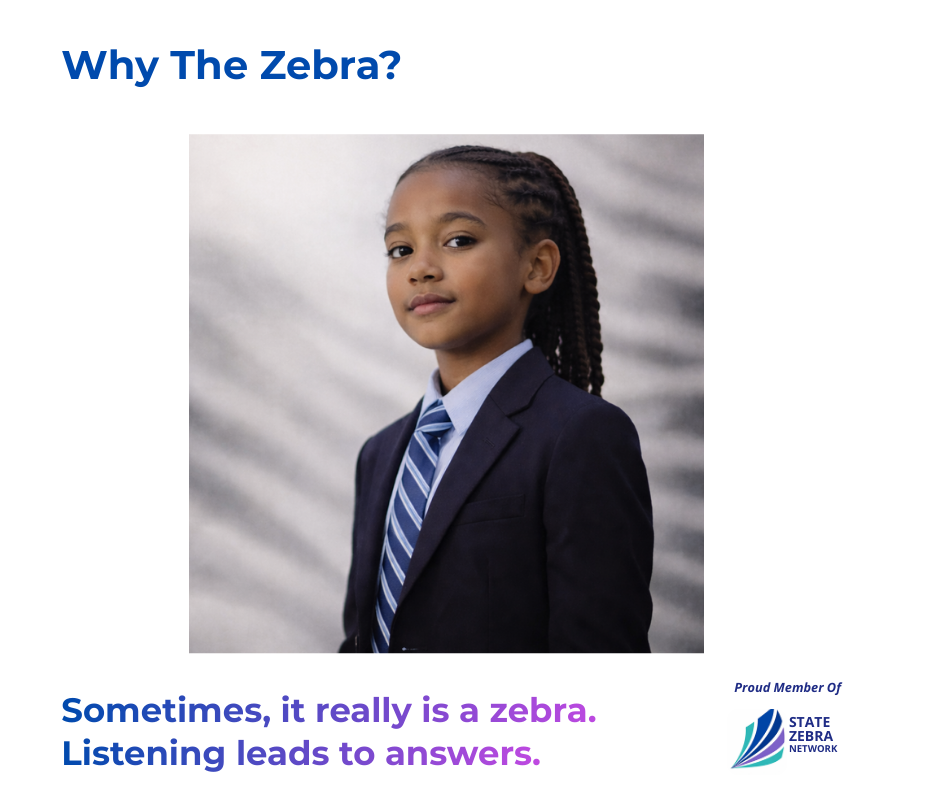
Why the Zebra?
Facebook / Instagram
- Option 1: Sometimes, it really is a zebra. Listening leads to answers.
- Option 2: Rare disease reminds us to look deeper.
Twitter/X
- Option 1: Sometimes, it really is a zebra.
- Option 1: The zebra symbolizes the importance of listening in clinical care.
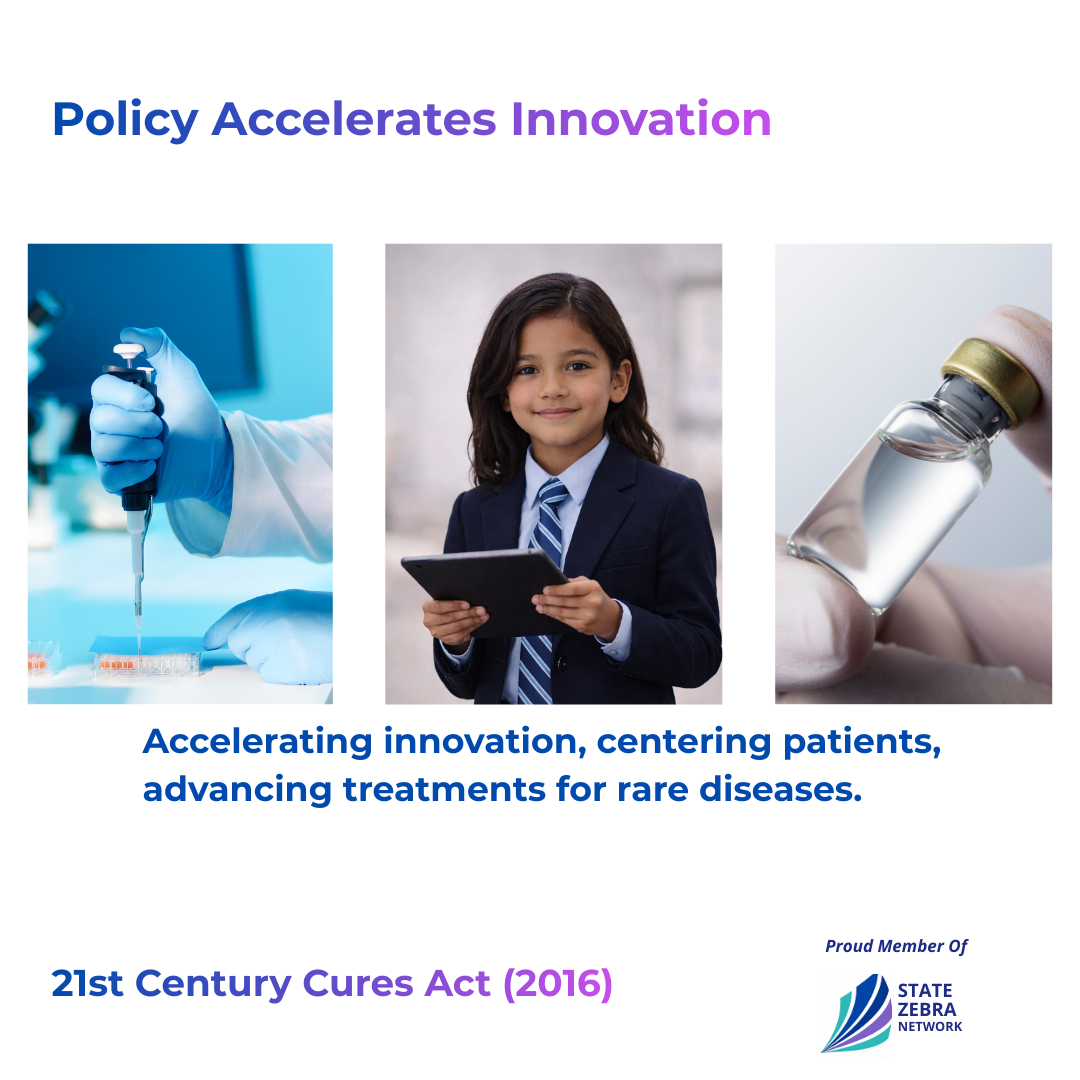
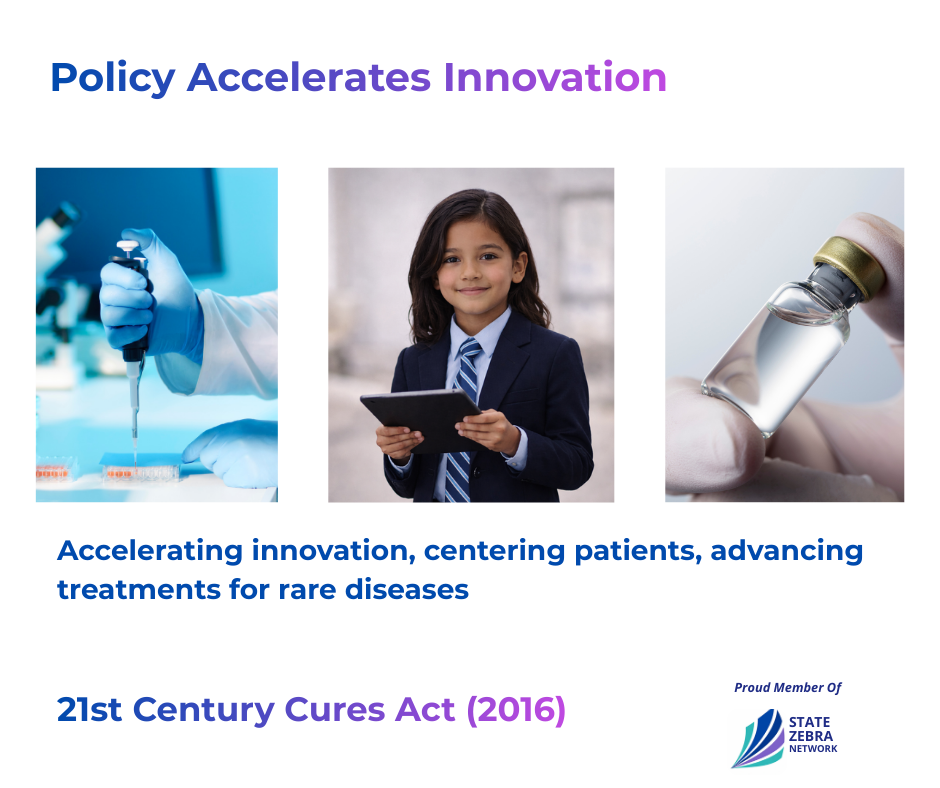
Policy Accelerates Innovation
Facebook / Instagram
- Option 1: Policy accelerates innovation and centers patients.
- Option 2: The 21st Century Cures Act shows what’s possible.
Twitter/X
- Option 1: Policy accelerates innovation.
- Option 1: Policy frameworks like the 21st Century Cures Act enable patient-centered innovation.
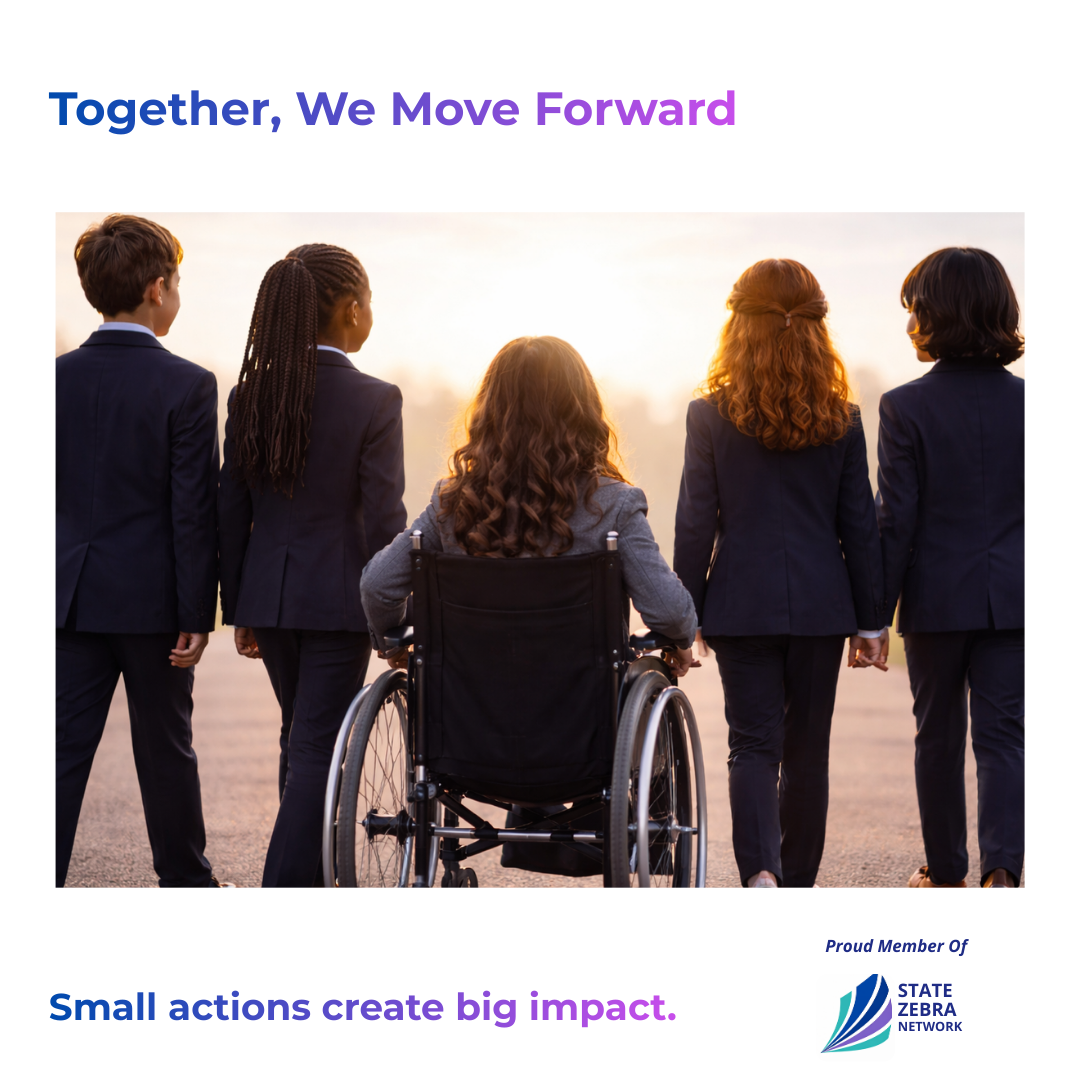
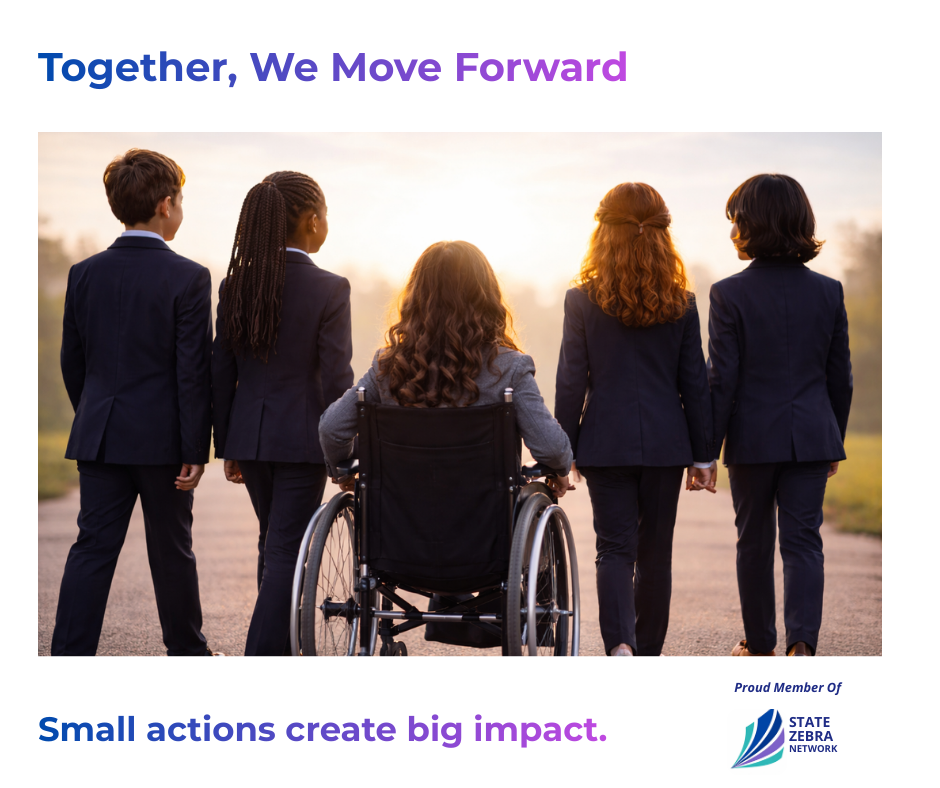
Together, We Move Forward
Facebook / Instagram
- Option 1: Together, we move forward. Small actions create big impact.
- Option 2: Progress happens when we move together.
Twitter/X
- Option 1: Together, we move forward.
- Option 1: Collective action drives sustainable progress in rare disease advocacy.