


This page includes draft policy information that is still in development. You are welcome to use these materials, but please keep in mind that they may be incomplete or subject to change.
We welcome suggestions and additional resources. To share materials or feedback, please contact anna@statezebranetwork.org
Newborn Screening
Newborn screening tests nearly all babies born in the United States shortly after birth to detect serious rare diseases early, allowing treatment to begin before symptoms appear and improving health outcomes.
Party Pro / Cons and Concerns
Important Note: Remember, there are nuances that differentiate in each state. This material provides general information that can be adapted to truly align to your own state.
Democrat Party Pros
Democrat Party Pros
Democrat Party Cons/Concerns
Democrat Party Cons/Concerns
Republican Party Pros
Republican Party Pros
Republican Party Cons/Concerns
Republican Party Cons/Concerns
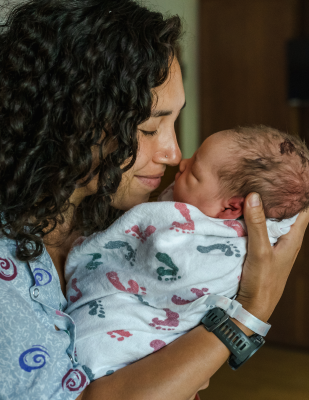
From the Patient Perspective
Newborn screening is vital because it can identify rare diseases early enough to prevent serious disability or even death, giving families immediate access to treatment and specialists instead of years in the diagnostic odyssey. Patients value the equity it offers, every baby gets the same chance at early detection, yet they worry about uneven state screening panels, slow adoption of new conditions, gaps in follow-up care, and concerns about how blood samples or genetic data are stored and used.
Talking Points on strengthening and modernizing NBS
- Ensure every baby has access to timely, equitable screening regardless of state of birth.
Provide stable funding to modernize state labs and reduce turnaround times.
Expand follow-up care, specialist access, and confirmatory testing coverage.
Responsibly incorporate genomic technologies with strong privacy protections.
Maintain equity and avoid widening disparities as policies shift nationally.
Policy Guidelines
Ensure timely and equitable access across all states.
States should regularly update their screening panels to match or exceed federal recommendations and emerging evidence, ensuring every baby—regardless of geography—has access to the same lifesaving tests.Provide sustainable funding for state labs and follow-up systems.
Modern, well-resourced labs are essential. Funding (screening fees or government appropriations) should support all direct and indirect coasts of the system of BNS, including equipment upgrades, lab construction/expansion, IT systems improvements, staffing, rapid result turnaround, validation of new assays. and quality improvement.Strengthen follow-up care and care coordination.
Screening is only meaningful if followed by timely confirmatory testing, specialist access (even if out-of-state), genetic counseling, and treatment. Policies should ensure families can navigate this quickly and affordably.Support integration of advanced technology (e.g., genomic sequencing where appropriate).
Policies should encourage responsible, evidence-based adoption of new technologies that improve detection of rare conditions and enabling screening for more rare diseases, while ensuring ethical standards and feasibility.Protect patient privacy and data security.
Guidelines should clearly define storage, use, and disposal of dried blood spots and genetic data, balancing public health benefits with parental consent and privacy safeguards.Invest in workforce development.
Support training for lab personnel, genetic counselors, and rare-disease specialists to handle increased testing volume and follow-up demands.Promote transparency and accountability.
States should publicly report screening metrics (turnaround time, follow-up rates, outcomes) and engage families in evaluating program effectiveness. States should have a public method of nominating a new condition to be added to state newborn screening panels. State newborn screening advisory committees should consider the most efficient review timelines, allow for virtual attendance and testimony (especially those who represent the condition being reviewed), and publicly track conditions for which there is an approved treatment and an available newborn screening assay so that every eligible condition gets a review. State newborn screening advisory committees should provide public annual reports that summarize the conditions they reviewed, their recommendations, requirements for reconsideration for conditions that are not approved, implementation status of conditions being added, clear schedules of reviews for upcoming conditions.Center patient and family voices in policymaking.
Parents, patients, and rare disease advocates should have formal roles in advisory councils, implementation planning, and review processes.Encourage federal–state collaboration.
Policies should support coordinated funding, research, and consistent standards across states, reducing gaps and delays in adding new conditions.Ensure equitable coverage of treatment and diagnostic follow-up.
Screening without access to treatment is insufficient; policies must ensure Medicaid and private insurance cover needed follow-up testing, medications, and long-term care.
Additional Resources
Organizations and leaders who have policy experience in this area
Subject Experts
Industry
Ultragenyx
BioMarin
Orchard Therapeutics
Travere
Sarepta